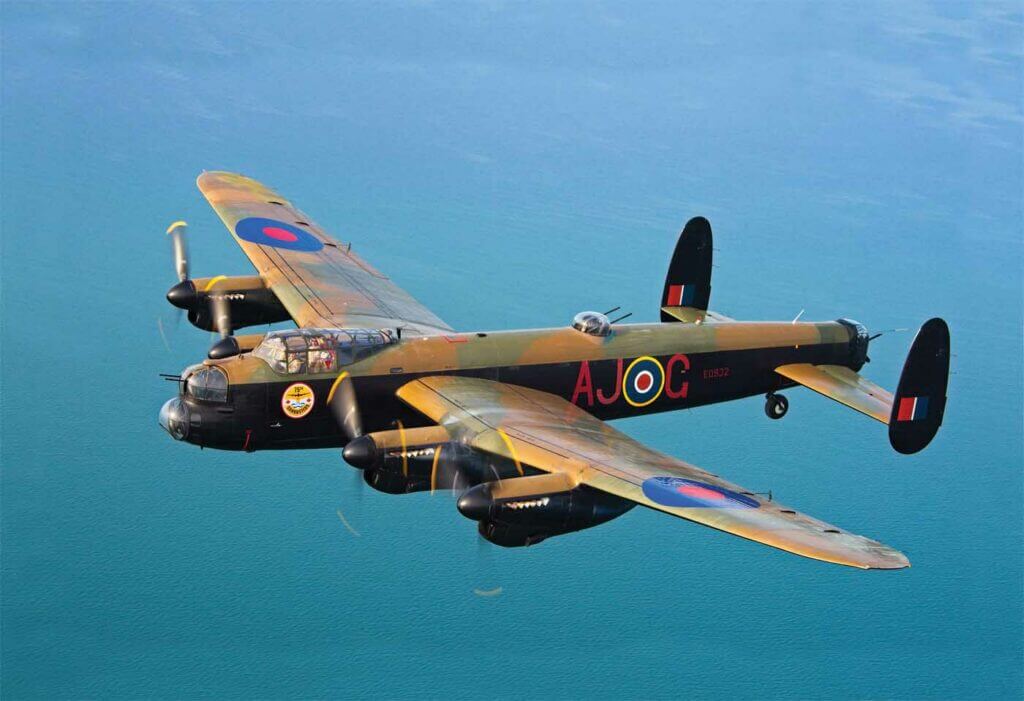
The Initial Application Process:
Well, generally the first thing you would want to do is to research the occupation you are looking to be applying for. I am going to go out on a limb here and assume that if you have found my website, you have already done a fair bit of research, but if you haven’t HERE is the Royal Canadian Air Force website’s link to the pilot occupation. It provides you with a great overview of the occupation and the training which you will conduct.
There are a few things I can come to recommend about the application process:
1) Ensure that you fill everything out correctly and provide ALL of the information necessary. Look over the application several times and make sure it is complete. Also, always go over the documents that you send in to make sure you have done them properly. If you need to, create a checklist for yourself so you do not miss anything. If your application is incomplete, they will disregard it. This will cause massive delays and a potential re-application process.
2) Follow-up with your CFRC CONSTANTLY. They will often say that your application is moving forward, etc etc. But, it will likely help to have on file that you are actively interested in the occupation you have applied for. While I cannot say for certain that this makes a huge difference, I can only say that I began calling on a bi-weekly basis.
3) When you are told that you need to send something else in or are missing a piece of the application, get it done ASAP. This includes getting your medicals done right after your interview. The quicker you do the parts you have control over, the quicker the application will go as a whole. And, because you don’t have much control over the CFRC side of things, this will make you feel better as well, as you are doing everything you can to move your application along.
Canadian Forces Aptitude Test (CFAT):
Upon completing your application and providing all of the required documentation, you will be asked to write the CFAT. In my process, it took roughly 4 months to hear back and write my exam after I began my application. This is your initial aptitude test to join the Canadian Forces. Every member, for every trade has to write this exam. Based on how well you score, it is determined which trades you qualify for. The pilot trade, among a few others, does require that you score relatively well. This part should be taken very seriously, although it is a slightly easier component of the application process.
In particular, this exam will test you on the following: Spatial reasoning, mental arithmetic, verbal reasoning, and logical reasoning. The test is conducted on a computer and during the duration of the exam you cannot leave to go to the bathroom or interrupt it in any matter. The test is also very time sensitive in that you often only have a few seconds to answer each question.
In order to do the best you can on the exam, I recommend the following:1) While answering questions, I would suggest going through and answering all of the ones you can and leaving the more difficult ones to the end. 2) Answer EVERY single question, even if you have to guess. 3) Go to the bathroom beforehand 4) Be well nourished and hydrated in the morning 5) Practice as much as you can before you go!!!!
Some great resources are available to you, and I have outlined them and linked them below:
- CFAT official practice exam
- Aptitude practice tests – I used this a lot and believe it made a big difference!
The CF Interview:
After the aptitude test, you will likely encounter a relatively long wait before your application moves ahead. In my case, I wrote my CFAT in January, and didn’t hear back to come in for an interview until the end of August. In that time, I essentially harassed the CFRC with bi-weekly and weekly calls to ensure my application hadn’t been lost! You certainly build up your patience throughout this process!
Nonetheless, once the wait is over, you have an interview with an officer at the CFRC. This is indeed a job interview, and as such should be treated seriously. I recommend preparing answers to questions that highlight your leadership strengths, your previous skills which would assist being a pilot, your extra-curricular volunteer activities, and anything else you can add to make your application stand out – second languages are a great asset to have here!
I remember writing down all kinds of answers and preparing many hours for this interview – again, this is a part you have control over, may as well be the best you can be!
Luckily, the CF posts a great preparation PDF you can use to be ready for this interview, you can view it HERE.I remember being asked many of these questions, so the preparation certainly helped! After the interview, things started to move fast, really fast!
The Initial Medical Tests
Upon successfully completing your interview, you will be asked to go and conduct numerous medical tests on your own. I remember the second I walked out of the interview, I started booking these tests, as I no longer wanted any delay for my application!
What you will be asked to get done are the following: Vision tests by anthropologist, a Chest X-ray, blood work, and an ECG. Once you have done these, you will be scheduled to see a flight surgeon for further tests, these are done locally before you move onto the Aircrew Selection phase.
In my case, I had a little scare as my cholesterol levels seemed rather high for my age. Luckily, I had a high level of both types of cholesterol and so my ratio was good enough to meet the threshold. Turns out, I loved my eggs too much and was consuming a few too many, which caused a high cholesterol reading! Lesson learned, everything in moderation, I guess 5-6 eggs at a time is considered a little excessive…
Aircrew Selection Course:
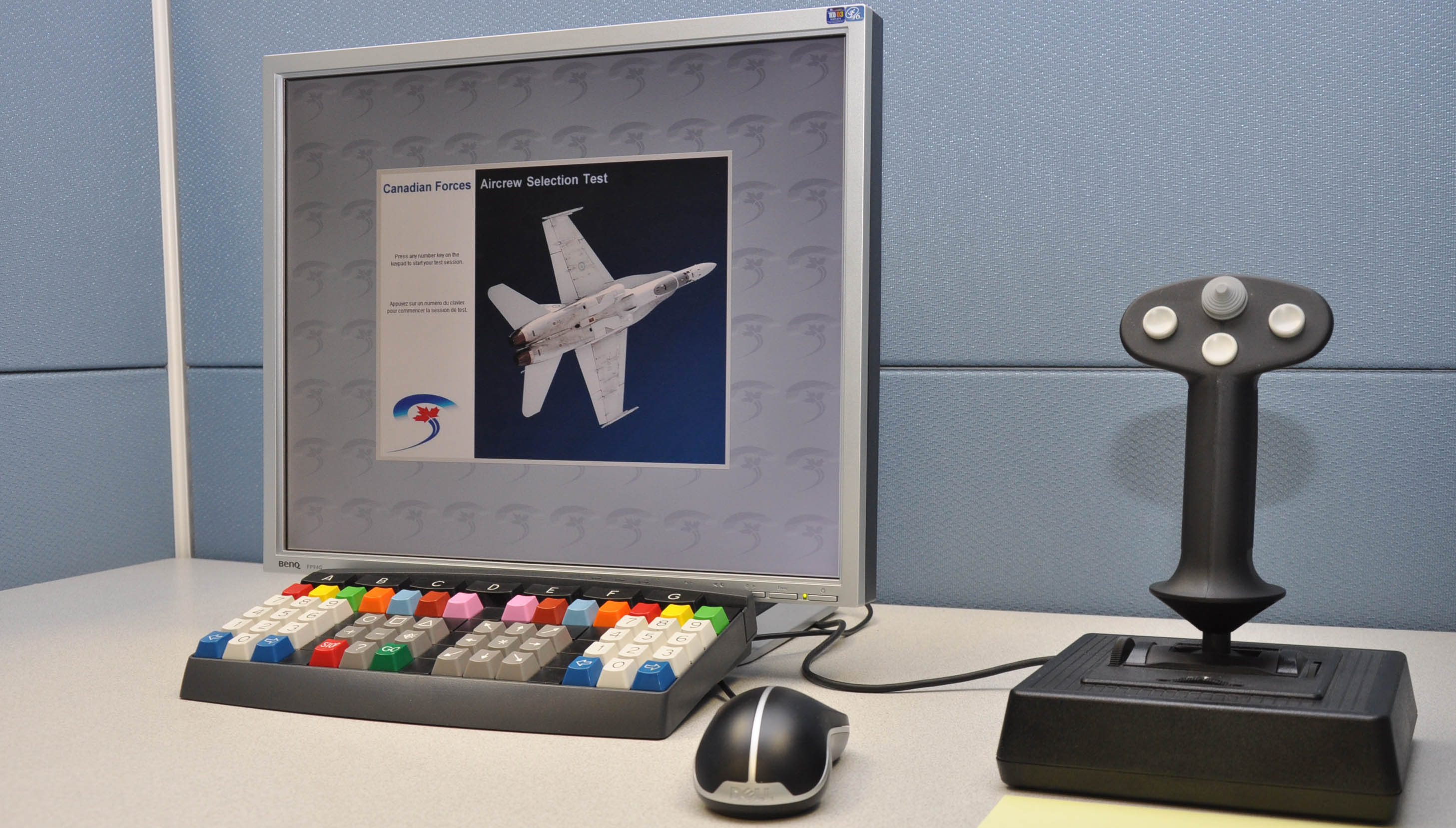
This is by far the most difficult aspect of your application process. Good job on making it this far, but it means nothing if you do not make it past this grueling portion. With a fail rate of 60-70% you will want to make sure that you study your A$$ off and practice as much as you can before you go. It’s a make it or break it scenario. Fortunately, I am a very serious individual when it comes to these kinds of tests. So, I actually began preparing 5 months ahead of time and it seemed to have done the trick for me!
To make this more interesting, I will tell you more about my personal experience:
I remember being at work, working away when all of a sudden, I got an email with a ticket saying I was going to TO. No call or preceding email saying I was selected to go. I was so excited I couldn’t think straight anymore. I only had about a week before I was heading out. Luckily, I had been in touch with my CFRC and was told about when the upcoming courses would be and which I would likely be on, so I had taken the time off work already.
My travels to Toronto were exciting. I had never been to eastern Canada, and getting to just experience it would be very exciting. But, that being said, I got very serious for the last week and studied as much as I could. I looked at every practice exam and site I could find (which I will list below) and looked over the joining instructions about 743.5 times. I was ready, but I felt nervous nonetheless. I knew that this was the last big hurdle I had to overcome before finally being accepted into the CF (btw, this is now November the following year of when I had began my application).
I traveled alone, even though I knew a couple of other people would be on the same flight as me on the way to TO. After a long day of flying, taking the bus, and getting picked up at a shady looking corner store, (which the bus dropped me off at), we had arrived at CFB Trenton.

The room you stay in is basically like a hotel room. You have a TV, you have your bed, a coffe maker, fridge, your own bathroom. What you don’t have is WIFI. There is a wired connection, so if you plan to have internet make sure you bring your ethernet cable for the lappytoppy! And, oh yah, cell reception isn’t very strong in the building itself.
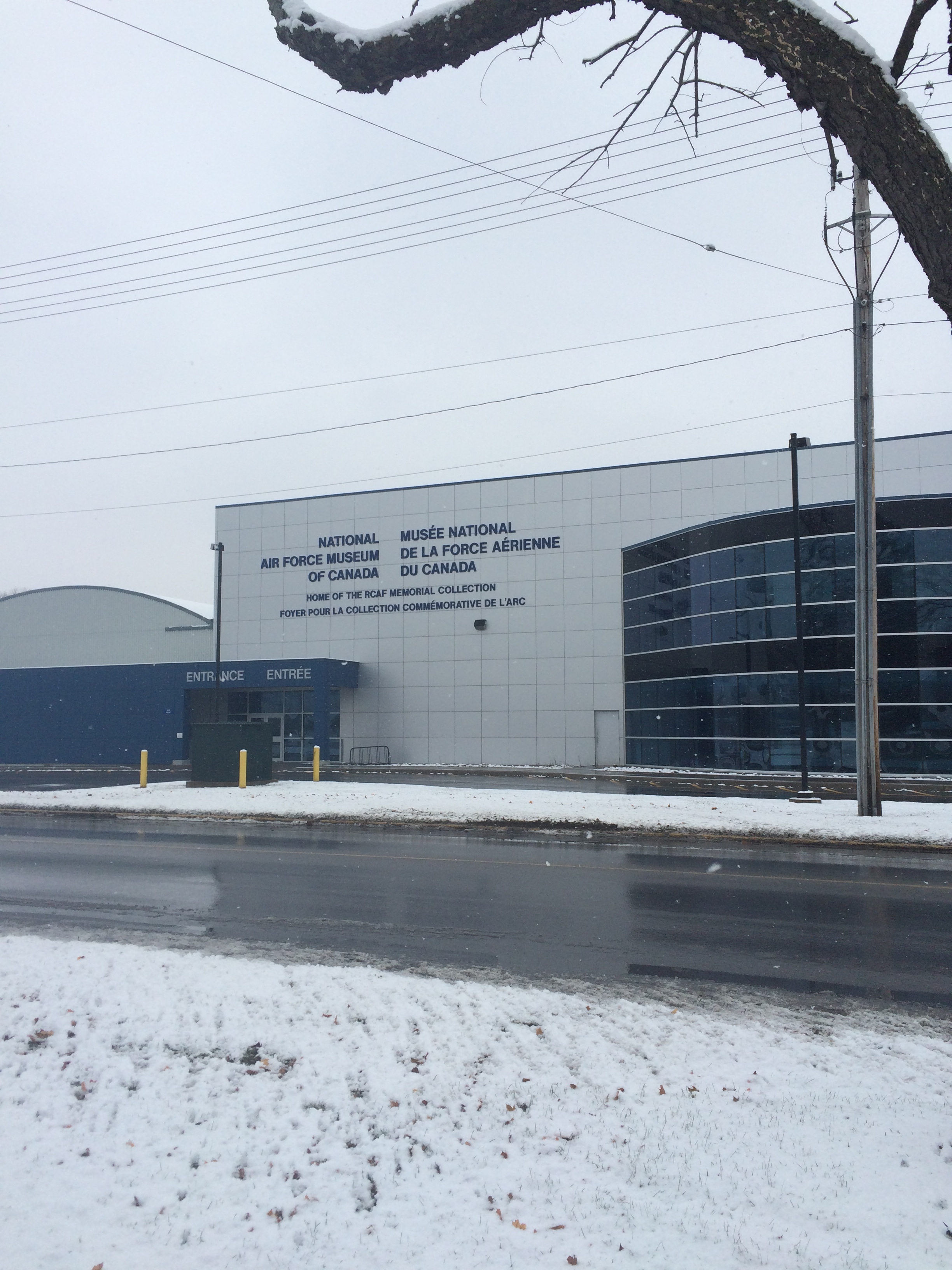
So, I arrived here on Saturday night, the Sunday is yours to do whatever. Because for me the time here was three hours ahead of normal, I decided to get up early anyway and try to acclimatize myself to the new timezone so I wouldn’t be so tired the next day during testing. Fun things to do on this day include a tour of the base, and walking off base to the National Air Force Museum of Canada, checking out the Canex, and of course, grabbing a cup of Tim Horton’s coffee! If you ever run into me, I like my coffee 2 Sugar, 1 Cream 😉
I of course spent some time studying and going over my practice questions. The next day was going to be a big day! When I woke up that Monday morning, I was pumped and ready to kill those exams, yet still a little nervous. We had breakfast as a group and discussed how we figured the day would go. We all agreed that we’ve all done all we could at this point to prepare ourselves.
The first thing you do when you arrive at the center at 0715hrs is a few briefings and some more paperwork, as well as a brief presentation on the three trades for which this application is valid for: The Air Combat Systems Officer, Aerospace control, and of course Pilot.
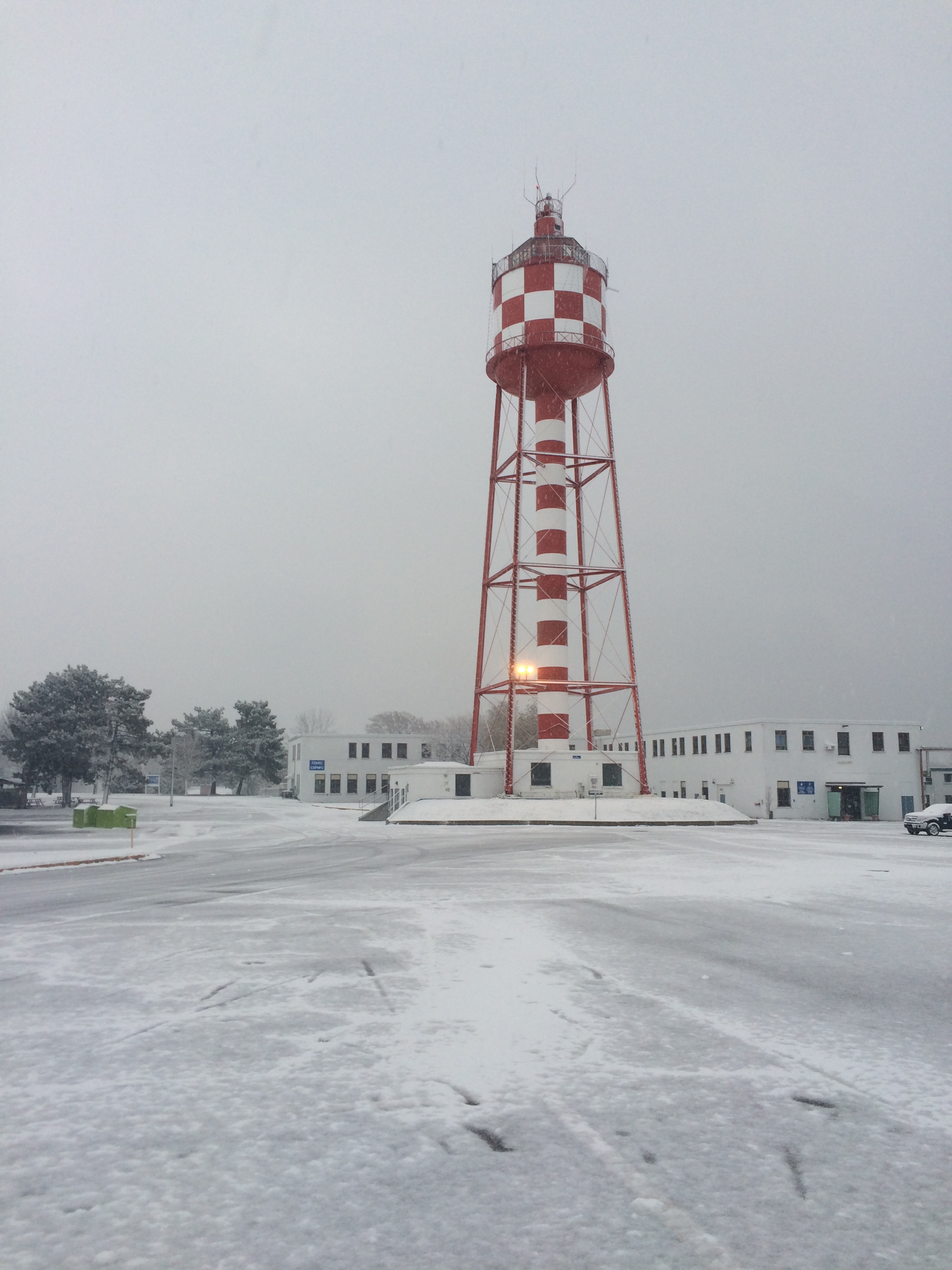
After all of this, you begin the testing. The first day consisted of, I believe, 11 tests, in which you had roughly 3.5 hours to complete and you only had three scheduled 10 minute breaks in between. Of course, most of the questions you do are timed anyways. And you REALLY feel the time constraints here. I remember being very mentally exhausted after the day, and slightly dehydrated. After the tests, you go on a slight tour of the base (for us, not much was going on due to terrible weather, so we went to the control tower quickly and got to check that out). Afterwards, I was so exhausted, I went and took a nap until dinner time.
The next day, started off basically the same, I did a few last minute math questions, got the mind working, had breakfast and off to do 9 tests, with 2 breaks in 3 hours this day. I remember not finding the tests quite as difficult and managed the day just fine. Not everyone finishes at the exact same time, but as soon as you are done, the results are ready. You leave the room wait for about 5 minutes until you’re called up for a debrief. These 5 minutes seemed extraordinarily long to me. I was sweating, I was nervous, I thought over my potential mistakes on the exam… and whether or not I’d made the cut. Finally, the wait was over, I was called and was about to find out if I had the right stuff.
The Captain began the conversation by mentioning that I had a degree in Business and that it could be applied in various other occupations within the CF – this is where I though, great, I didn’t make the cut! However, he turned around and said “But, you don’t need to consider those because you passed the threshold for all three trades” Hurrrayyyy!!! I was beyond excited and relieved. You wouldn’t have been able to swipe the smile off my face even if you smacked me square on the side of my head.
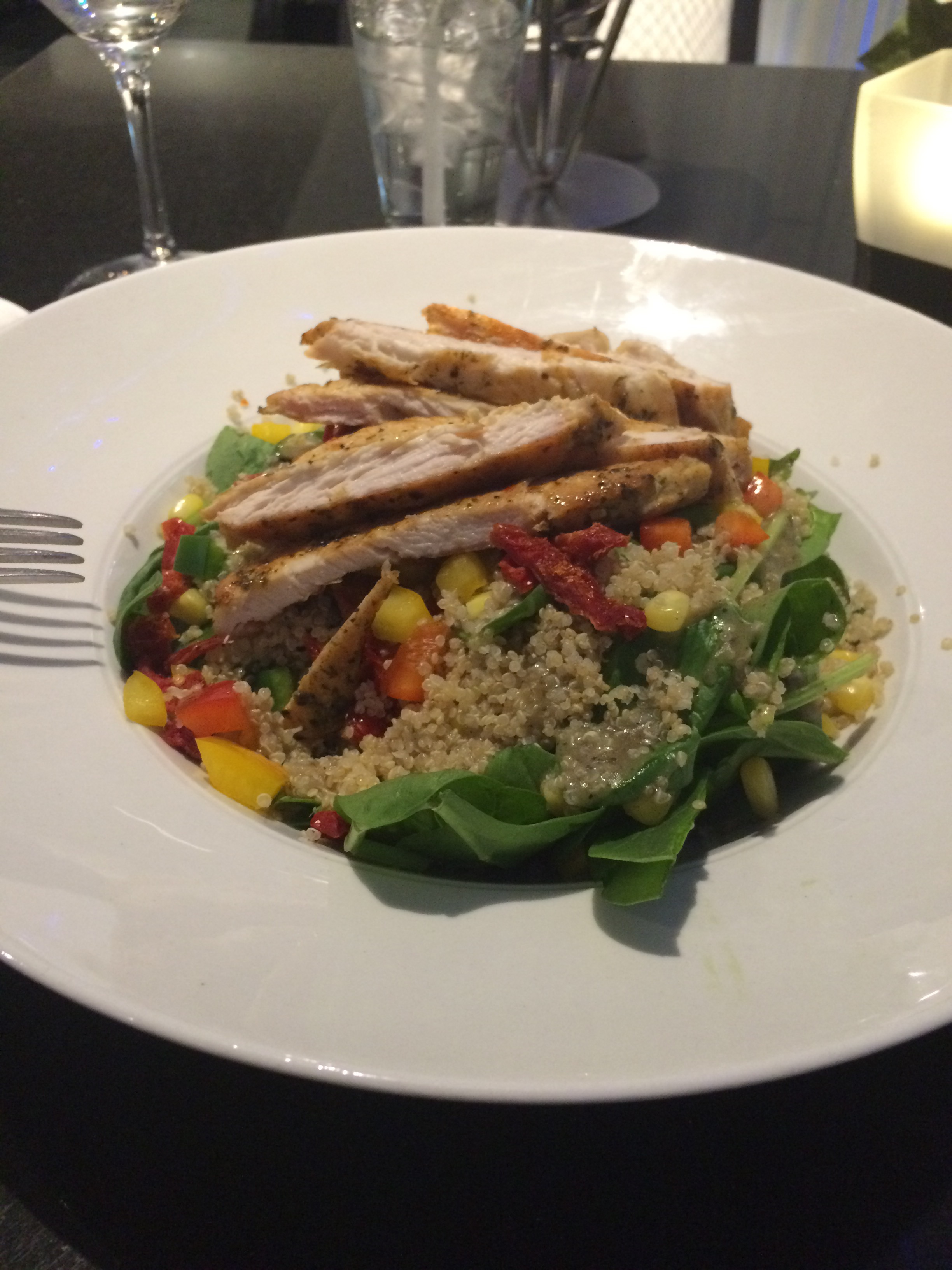
That night, you get to stay at the Novotel hotel in Toronto before you go to the Defence Research and Development Center the following day. I remember taking advantage of the large dinner re-imburesement the CF gives you and ordered a big $43 dinner at the Trio restaurant found downstairs at the hotel. I highly recommend it, the meal was fantastic!
After an additional briefing of how I’d get to Toronto for the medical portions, I had lunch, checked out of the room and took a cab to the Train station. This was it, I had done well enough on everything I truly had control over. I was very happy and extremely relieved at this point. To strengthen the point of the fail rate on this course, however, I was 1 of 2 people who passed for the Pilot trade, out of 8 of us. So, the stats are pretty accurate…
The following day consisted of 4 hours of medical testing. It seemed very exhausting as well. The tests conducted included another round of blood work, hearing tests, EXTENSIVE vision tests, ECG’s, Heart ultrasound test, Lung tests, and a quick visit with the flight surgeon. After the day was done, I was so relieved, I was finally done the ENTIRE application process. I have done all I could, studied, practiced and prepared as much as possible. Everything came down to the last medical results and I would soon find out whether I got accepted or not!
HOW TO PREPARE FOR CFASC:
Now, I have mentioned a few times that I spent a lot of time studying, and practicing and even preparing for months ahead of time. By now you are likely wondering what I used to prepare. I would say there were three primary methods I used to prepare myself as best as I could:
- I looked over the joining instructions and Candidate Guides months ahead of time and tried to understand what the tasks involved and how to prepare for them. You can find the Candidate Guide and instructions HERE.
- I practiced Lumosity questions as much as possible (daily). This probably helped me the most. It increased my cognitive abilities in all areas applicable to these tests. You can sign up for it for FREE HERE. I also have a SPECIAL trick for you to get more out of this!! I found that I could actually play up to 9 games per day, even though it says you only get three. This is done by playing the three games on the computer, then downloading it onto a phone, and playing those three games, then also downloading the app onto a tablet and playing three MORE games! In my case, I had my laptop, iphone, and android tablet. I religiously played these for weeks ahead of time, probably only took roughly 20 minutes out of my day to do all three rounds.
- Lastly, you will want to make sure you get good at your arithmetic and Speed/ Distance/ Time calculations. I found a great website designed for RAF pilot candidates with lots of free practice questions. I HIGHLY recommend going over these questions. You can find the website HERE.
**This page has been updated in Jan 2025 for updated links to new webpages and to reflect some newer processes.


Hi Anthony. What is the path for the instructor pilot stream? Thanks.
LikeLike
Hi Anthony. What is the path for instructor pilot stream?
Thank you.
LikeLike
Hi Hezek, the instructor stream is usually from going the initial Jet route by doing your wings qualification course on the Harvard 2. From there you can be selected as an instructor and continue flying the harvard in Moose Jaw. However, many people go back to being an instructor at some point from all streams. And in various capacities.
Cheers,
Anthony
LikeLike
Hi Hezek,
usually you would be selected to attend the phase 3 Harvard course and then be streamed to stay in Moose Jaw as an IP. Alternatively many people instruct at some point after they have completed a tour on another platform as well. This could be on helicopters, multi engine or jets as well!
LikeLike
Nice to see you’re still maintaining this blog. Excellent resource, unfortunately for me I got notified of my Aircrew Selection about two weeks before it was actually happening. Still managed to pass, but DEFINITELY make sure you ask when ASC postings are from your recruiter. I expect it’s been a little different because of COVID, but– Stay on the case.
Regards,
Mike
LikeLike
Hi Mike, that’s great news! Congratulations! You’ll probably hear back from the recruiter soon to get your offer.
And yes, I am sure Covid has changed a lot with the recruiting process.
All the best,
Anthony
LikeLike
Hi there!
All this info is super awesome and Im glad you still keep up with it, years later.
Im currently in the Reserves and have been in for 2 years. Also, im also done my university degree and PPL. Im looking to CT-OT into the air force.
Do you know or heard of anyone in my similar position?
Also, is there an email i can reach you at if I have questions? If thats not too much of a hassle!
LikeLike
Hi Rupert,
Yes, I have heard of many people who have changed careers in the CF and CTO’d into the pilot trade from another trade before. Unfortunately I am not comfortable advertising my email address on this blog, but can answer more questions here when I get to them!
P.S. sorry for my very delayed response. I am going to try to be more active on this blog this year!
Cheers,
Anthony
LikeLike
Hey guys, I’m heading to Aircrew selection in a couple weeks. Can you give me any details?? How hard is the mental math?
LikeLike
Hi Anthony, thanks for this blog, it provides a lot of insight into what the RCAF application process looks like. I just wrote the CFAT and found it was tough but manageable, I was wondering if you had any thoughts as to how much harder CFACS is compared to the CFAT? Thanks!
LikeLike
Hi David,
The CFASC is more difficult for sure than the CFAT is. More specfially however, CFASC is specific to aircrew whereas CFAT was generic to everyone who wants to join the CF. Follow my guide and it should help you a lot!
Cheers,
Anthony
LikeLike
Hi Anthony,
Just wanted to follow up here, I went to CFAST in early April and passed for all three trades! Now sitting back at home waiting for a medical slot. Big thanks to all of your guidance, it helped me prepare very well for the testing (though it still felt like I was failing up until the selection officer gave me the good news).
Wanted to also post this as an additional resource for anyone else: https://rafcbat.wordpress.com/. It went over pretty much all the tests in as much granularity as possible and I found it a great way to know what was coming up.
Cheers,
David
LikeLike
Hi David,
That’s awesome!! Congratulations! You should get an offer very soon.
That is a great resource as well. I may have to update my pages and include this one!
Congrats and maybe we will bump into each other some day.
Anthony
LikeLike
Hi Anthony, big props for making this blog, really helped me to prepare for aircrew selection. If you ever roam back on this page, could you describe your experience of Phase I? Did all your class pass? Did the instructor talk about a typical fail rate? Do you know what usually make someone fail? I know i shouldnt think too much about that but if you got any tips it would be greatly appreciated! Waited for 4-5 years before getting there haha thats why i’m a little nervous.
Thanks a bunch again for all you did with this blog.
LikeLike
Hi Frank,
thanks for the props! I actually just made a phase 1 post although I didn’t go into detail of the fail rate. On my course we had no failures. The fail rate used to be close to 20%, I believe but nowadays there are only maybe a couple people who fail. (My course had about 16 people on it, if I remember correctly). Hope this helps!
One final thing is, don’t worry about the fail rate. Just go in trying your hardest and enjoy the course! It can be stressful but also a lot of fun. All the best to you!
Cheers,
Anthony
LikeLike
Hi Anthony et al:
Just wondering how long after your final Air Crew Medical at CFEME did it take to receive an offer?
Thanks
Ken
LikeLike
Hi Ken,
For me it was about a month I think.
LikeLike
Just wondering about when you went through the process for selection (what year)
LikeLike
Hi Debbie. I did the selection process in 2014! Things have changed slightly maybe but I think overall it’s still very similar.
LikeLike
Thank you very much. Hope things are going well for you!!
LikeLike
Hey there,
Just a quick question
I did 2 lasic surgeries on my eyes to get rid of the glasses, my right eyes still has a bit of astigmatism
By that extensive vision test, what do you think of my case ?
LikeLike
Hi Kasra,
Unfortunately I am no medical professional and cannot give you an accurate answer. I do know that some pilots have had laser eye surgery and are flying with the RCAF. You are also permitted to fly with glasses now!
LikeLike
Hi Anthony,
Would be able to tell me if what’s the starting pay rate once you pass the exam for RCAF or once you get an offer for Pilot? Once you pass the exam, do you have to do basic training as well?
LikeLike
Hi Jay,
At first once you get accepted you will receive regular officer pay up until you become a Captain at which point the pay scale changes to pilot pay for captains. You can reference the website here for more detail: https://www.canada.ca/en/department-national-defence/services/benefits-military/pay-pension-benefits/pay/officers.html#regularforceclassc
And yes you have to do basic training, everyone in the CF does.
LikeLike
Hi
Could you please give some links where I can review as the links you posted don’t work anymore Thanks
LikeLike
Hi
Could you please give us a new link for the reviewer for rcaf test because the links you posted are not available anymore.
Also, how much is the starting salary for this trade?
LikeLike
Hello! How hard would you say the math related questions are? And does it take a big part of the test? I’m decent with mental arithmetics and I’m practising a lot but it’s really stressing me out, more than any other part of the test. Any advice?
LikeLike
Hello, I’ve been coming to your blog and reading all your posts for about a year now, I’ve probably read this post about 10 times now lol. Over the past couple years I’ve known that I am going to apply for a pilot position in the RCAF, and now that I have finished my 4 year degree, I am going to be applying within the next few days. I just had a question regarding the CFAT. I have been preparing quite regularly, and have done dozens of practice tests, while I’m scoring reasonably well on those, I am still concerned about if I have what it takes to pass or not for the pilot occupation. In your experience with the test, and talking with other pilot candidates, did you feel you had to pretty much ace the CFAT, or is there some room for getting a few questions wrong? Thanks!
LikeLike
hi Brian
how are you doing can you give any update please 🙂
LikeLike
Hi Anthony,
I have visited this blog a few times in the last couple years. First off, thank you so much for taking the time to write out all this helpful information. My main question is around age. I am currently 34, and was wondering if there are any limitation to what pilots can fly after completing their Phase II training? Would also love to see a blog post re: phase II and your training on the hawk.
Thanks!
LikeLike
Hi Dan!
Happy to hear you’ve found this blog useful! As for your question, age isn’t too much of a factor. I’ve seen people 40+ come through flight training. And shouldn’t be any limitations on what platform you may fly after selection.
I will work on putting a phase 2 blog post together as I’ve had several people asking for it now. Keep an eye out for it to pop up some day!
Cheers!
LikeLike
hi Anthony thanks again for answering the questions here. Im already 35 and i have my bachelors degree. I will be applying this April
LikeLike
Happy to hear that! I recently made a post about the PH2 Basic Flying Course, for your info as well when you get there!
Good luck with your application and do not hesitate to get in touch if you need something!
Cheers,
Anthony
LikeLike
hi Dan any update? Where are you now in your career? Im 35 i have my bachelors degree and will be applying this April
LikeLike
Hey anthony!
I found your post quite intriguing, and it really gives a good idea of what can be expected, so thank you! I’ve finally become competitive for DEO pilot and am now officially moving on to the interview stage myself now! I just wanted to ask, what was your time frame for the whole process? I am curious how long after an interview I can expect to hear about Aircrew Selection, assuming the interview goes well and I do make it that far.
Thank you,
Jason
LikeLike
Hi Jason,
While I cannot 100% remember for sure how long it took, it was quite a while – probably about 8 months. The entire process took me 1.5 years. But, after aircrew selection it only took another 2 months or so before I got my offer!
Cheers,
Anthony
LikeLike
Hey, wanted to ask here to see if you would know. I hear a lot about how backed up the current training system is, and how long it takes to go from BMOQ to winging. How would you say the backlogs are right now, and how long could we expect to wait between courses? Do you see it improving in the near future at all?
Thanks for maintaining this blog, it’s an awesome resource!
LikeLike
Hi Dave,
Things have definitely slowed down a bit in the training system. That being said, the correct actions are being taken moving forward to hopefully reduce wait times again.
Right now 1-2 year wait times for Phase 2 training is being experienced. I suspect that that will hopefully come back down to closer to 6-12 months again as things normalize over time.
Covid backlogs are still affecting much of this.
Hope that helps!
Anthony
LikeLike
Hi, I’m an recent immigrant to this country on a PR. I heard that the CAF is now welcoming PR card holders to join them. I tried a few practice CFAT exams and getting 80% or above. I’m 34 years old and I’d say still in a fairly good physical shape even though I’ll admit it’s not the best I’ve been in. I always had a passion for flying. Do you think I should try to apply for a position? What would be my ideal course of action here?
LikeLike
Hi there!
Age is less of a factor than you think.
If you desire to be a member of the CF, I encourage you to check out your nearest recruiting center and have a chat with them!
Best of luck!
Anthony
LikeLike
There is a major backlog for Pilot training; as such the decision was made by the Air Force to stop taking in new Pilots for this year. So new applicants are welcome only in 2024.
LikeLike
All I can say is Thankyou Anthony, your log gave me most information on how to prepare to become a pilot in RCAF. I owe you a Tims with 1cream and 2sugar 🙂
LikeLike
Hi there!
Did you make it into the CF as pilot?
Would love to hear more about your story!
Anthony
LikeLike
Hi Anthony!
I read all of your posts, which are really insightful and helpful! Last month, I just passed the aptitude test, now I am qualified to be a pilot now!
Now I do have a concern, as I heard that after covid, RCAF does not really hire many people as before, especially pilots. To join RCAF, even other trades, it might take several years to wait. I am not sure if it is true. Could you please let me know how you think about it?
Looking forward to hearing from you soon!
Best,
Adam
LikeLike
Hi Adam,
the application process seems back to normal, as far as I know. This generally was still a year longish wait anyway though.
The pilot training has slowed down a bit, but we still need pilots at the same rate!
Congrats on your achievement so far!
Anthony
LikeLike
Thank you Anthony! I will do my interview in early May! Then it would be the waiting!
LikeLike
Just going back to this to say thanks.
I came across your site probably around 7 years ago, when I was first prepping for Aircrew Selection. To say that you’ve helped me a lot in preparing for the test is an understatement. I often refer people to either your site or the links you’ve given whenever they ask me about Aircrew Selection. I’ve been in the CAF for almost 5 years now, did an OJE at 410, and waiting on Phase 2 (I’ve been at RMC the whole time).
Hope to catch you on the flight line at some point.
Cheers,
C
LikeLike
Hey there!
This is amazing to hear – congratulations!
I am very happy to hear you have been able to make it in and have been in the military for so long!
When are you supposed to come to Phase 2?
You might see me around when you get here!
Keep up the good work.
Cheers,
Anthony
LikeLike
Hey Anthony,
I’m actually in MJ now! Just got here last weekend. Would love to know if you’re here as well!
Cheers,
C
LikeLike
Hi Clevanne!
I am an Instructor in Moose Jaw! I’m in Cobra flight. Enjoy groundschool!
It’s so cool to see people come through training that found my site useful!
LikeLike
Hey Anthony!
Wishing everything goes well!
I have a question about PPL and the selection test. While I am waiting for the decision of security screening now, I am doing my PPL training, also learning the ground school. Will this be helpful in the selection test? and also, if CAF knows I am already a student pilot, will it be helpful?
Thank you again for your time!
Best,
Adam
LikeLike
Hi Adam,
having your PPL can be helpful for sure, but is not required!
Best of luck with everything!
LikeLike
hey Anthony ,
One more question: as I know, pilots candidates will sit the same air crew selection test along with the candidates for air combat system officers and air control officers. For those two trades, the requirements of selection test seems not so high as pilot? In other words, is that easier to be also or controller regarding the air crew selection test?
thank you so much again!
best,
Adam
LikeLike
Hey Anthony, I am currently coming out of highs school going into university looking to become an RCAF pilot and I just wanted to say you’re blog is really great and provides information is a struggle to find. Aside from the blog would you have any other tips for someone in my position?
LikeLike
That is awesome stuff!
Biggest thing is stick with the process, it can take a while sometimes and it won’t always be smooth. But, it’s worth it!
Anthony!
LikeLike
For the speed Speed/ Distance/ Time calculations, are they based off kilometers or miles?
LikeLike
Hi Anthony!
Wanted to reach out and extend a huge thanks to you. I’m applying for an ROTP pilot slot this year, and just finished my CFAST this last weekend. Thanks to your advice, I made it through and seem to have a quite competitive file overall.
Im off to Toronto in a couple weeks to complete my medical, hoping that goes well and then it’ll just be a bit more waiting for my background check and all of the other medical paperwork to go through!
Thanks again and maybe I’ll see you around 🙂
Elias
LikeLike
Good luck with everything Elias! I am sure it will all go well for you!
When you make it to Moose Jaw, let me know!
LikeLike
Will do, thanks :). Just made it back from CFEME!
LikeLike
Hi Anthony!
I applied to the CAF back in August of 2023, with the dream of becoming a Pilot in the RCAF. Hoping to join through the ROTP program studying aeronautical engineering. I have completed my CFAT, TSD, and initial medical / interview. I was advised of my CFAST and started to research found this site (which I am truely greatful for). That testing was delayed from March 4-5, 2024 to May 6-7, 2024, and has now been cancelled.
Currently I’m appealing my medical status as it came back to not meet the common enrolment medical standards, so no idea how long this process will take.
Thanks for all the information!
Josh
LikeLike
Josh,
happy to hear the information helped, but sorry to hear about the medical stuff! I hope they were able to help you further and get you through the process!
Cheers,
Anthony
LikeLike
Hello Josh, any idea why you couldn’t meet the common enrolment medical standards?
LikeLike
Thank you for sharing this. I have been doing some research for a while but its too general and it could not be of help. again, thanks for the details
LikeLike
You’re welcome Mark! Hope it has been going well for you!
LikeLike
Hi Anthony
May I ask if you have a facebook group for this topic? I have a lot of questions hoping you can help thank you so much
LikeLike
Hey Mark,
I do not, but hey. that is a great idea. I’ll make one right now, and you can join in!
I will post it back here for you!
LikeLike
Nice. Thank you so much Anthony.
LikeLike
Hi Anthony,
first off this blog was really helpful thank you.
I plan on starting my application to join the forces soon but i had 2 questions, i plan on getting in better physical shape and starting these practices for the mental/arithmetic testing now but should i apply now or wait till I’m at a good physical base line then apply?, and the other is, roughly how long did it take you to get your pilot wings from the time of entering the forces?
thank you,
-Joshua
LikeLike
Hi Joshua!
Happy to hear you are thinking of applying!
You should certainly apply right away. As I have spoken about, the application process takes a long time and you will have time to get better at these things.
Physical shape isn’t too much of a factor, but I would suggest starting to do pushups and start runnning asap, as that will help a lot for basic training eventually and will also increase your chances of passing the medical examinations.
From time of entering to getting my wings took about 2.5 years. Nowadays, there tends to be a slight delay in training times, however that is starting to come back down a bit again.
BTW, I am thinking of developing a more detailed application guide and guides for general pilot training, etc. When these are developed, is this something you would be willing to pay upwards of about $29.99 for?
Just trying to see if this endeavour would actually help people with providing more insights!
Thanks and best of luck Josh!
Anthony
LikeLike
hi Anthony. its worth it. Like i said before thanks again you are helping a lot of people. You’re giving out detailed infos and you are answering our questions specifically. Thanks
LikeLike
happy to hear it Mark! Thank you!
LikeLiked by 1 person
Hi Anthony,
I wanted to express my gratitude for your blog, which I found incredibly helpful. I recently took my CFAST in early January and was thrilled to be among the few who succeeded in the Aerospace Control (AEC) category. Although I didn’t qualify for the other two trades, I was primarily focused on passing AEC.
I have a question regarding the next steps. Having passed the CFAST for AEC, do I have a higher chance of joining the RCAF, or is the selection process still highly competitive based on the performance of successful AEC candidates at CFASC? Will anyone who has passed the CFAST be automatically admitted if they fulfill all other criteria, such as medical and training requirements?
Could you please clarify the next steps in the process? I completed my medical evaluation at my CFRC last August, and the latest update I received was that they had sent an email to the Medical team to update my Air factor, as I had passed the CFAST. We are now waiting for the Medical team to complete this task.
Thank you for your time, and I look forward to your response.
Best regards,
Joy
LikeLike
Hi Anthony,
I wanted to express my gratitude for your blog, which I found incredibly helpful. I recently took my CFAST in early January and was thrilled to be among the few who succeeded in the Aerospace Control (AEC) category. Although I didn’t qualify for the other two trades, I was primarily focused on passing AEC.
I have a question regarding the next steps. Having passed the CFAST for AEC, do I have a higher chance of joining the RCAF, or is the selection process still highly competitive based on the performance of successful AEC candidates at CFASC? Will anyone who has passed the CFAST be automatically admitted if they fulfill all other criteria, such as medical and training requirements?
Could you please clarify the next steps in the process? I completed my medical evaluation at my CFRC last August, and the latest update I received was that they had sent an email to the Medical team to update my Air factor, as I had passed the CFAST. We are now waiting for the Medical team to complete this task.
Thank you for your time, and I look forward to your response.
Best regards,
Joy
LikeLike
Hi Joy, the most competitive portion is definitely the CFASC. This is where you will really need to study up for and be ready for a stressful couple of sessions.
However, using my guides will help you be well prepared!
Next step is CFASC in Trenton, followed by another medical examination at DRDC (unless that’s changed)
Good luck!
Anthony
LikeLike
Hello Anthony, my name is Bidu Prampti, loved all your posts, is it possible to get in touch with you via email? if I may ask, I have a lot of questions and doubts about RCAF
LikeLike
Hi there,
You are welcome to ask me here, as that is the best way for everyone to learn the process etc!
Cheers,
Anthony
LikeLike
Sure, I will ask my questions here:
Apologize for too many Questions, I understand you are busy, you can take your time to answer all of these questions.
Thank You.
LikeLike
Hey there, please see answers (as best as I can) beside each of your questions:
What is the Maximum age or the Upper age limit permissible in RCAF to become a Fighter Pilot? 60 years
Does one have to score very high in CFAT if one wants to become a Pilot in RCAF? You do need to score high, as this selects your intellect to certain required positions in the CAF – it isn’t very difficult though to be honest.
The resources which you have mentioned to study for CFAT are more than enough to pass CFAT with a high score? Those are the resources I used – and they worked for me. Each person is different and I could not guarantee that using these sources is good enough for everyone. I suggest practicing as much as you can. Then again, some people do not “have the stuff”
What all Questions do they ask in the Interview after One clears the CFAT and how to prepare for it? Would holding a PPL or a CPL help? Check out my link that takes you to the page of the interview. PPL or CPL could help a bit for the initial screening, but does not make much of a difference.
After one clears the Interview one has to score very High in CFASC to clear the Air Crew Selection Process? You need to pass the CFASC, and do well yes. I do not know the csoring metric, you are not provided it. You just get told if you made the cut or not.
The resources which you have mentioned to study for CFASC are more than enough to pass CFASC with a high score? Those are the resources I used – and they worked for me. Each person is different and I could not guarantee that using these sources is good enough for everyone. I suggest practicing as much as you can. Then again, some people do not “have the stuff”
Have you prepared a guide to clear the CFAT, Interview and CFASC? and it’s very helpful to clear all three with a very high score? my personal experiences mentioned herein are a guide – but a guide only. I make no guarantees that this will get you hired on as a pilot in the CAF.
The Phase 1 of BFT is all about Checks, Procedures, Take offs, Descend, Landing, Turn, Stall recovery, Basic Aerobatics? Essentially yes, it covers the basic. It’s a quick course.
The Phase 2 of BFT is including what has been done in Phase 1 plus formations, G force training, Advanced Aerobatics, technical skills, decision making skills, situational awareness? Essentially yes.
Since the RCAF decides which Aircraft one will get to fly, One has to score very high in both Phase 1 and 2 of BFT to become a Fighter Pilot? Only about 25% of all pilots become fighter pilots. It depends on many factors, including the needs of the forces. So nothing is guaranteed.
How long is the entire Air crew selection process taking these days? I am not too sure to be honest. I hear it is still in the range of 1-2 years.
How long is the entire BFT Training taking these days including the training on CT 155 Hawk Jet aircraft? The CT-155 hawk no longer exists in the CAF. BFT training can take anywhere from 6 -18 months. Many factors at play here.
When one becomes a fighter Pilot, he/she gets to fly either CT 155 HAWK or F/18 Hornet? or only the F/18 Hornet? To become a fighter pilot, you would train in another country now (either the US or in Italy for now) as a transitionary course. Followed by going to 410 SQN to learn to fly the CF-18. Things may change soon with this however.
Hope this answers your questions!
LikeLike
also, is it true that suppose of 100 people want to become a fighter pilot in RCAF, only 3 get selected to be a fighter pilot? Is it true? Is it that tough?
also, suppose if a candidate gets rejected by RCAF or fails the Air Crew Selection process then he/she won’t get to apply again?
LikeLike
It is usually a bit higher than that. Roughly 25% of candidates will get selected to go onto jet training. But that number flexes according to the needs of the forces.
If you fail your initial try, you can re-apply after a wait period. I don’t remember how long that is though.
LikeLike
Thank you for your time and all your answers. Appreciate it. You have been very helpful.
Just one question, even to become a fighter pilot the upper age limit is 60? Or is it 47?
LikeLike
I’m glad I could help!
As far as I know – no age limit. However, the older you are, the more difficult it is to learn this – and the physical demands on the body are high. Typical age of a fighter pilot in training is around 26 years old. Most fighter pilots stop flying around 35 or so. Some stay longer of course. But this kind of flying is usually a young persons job.
Best of luck to you though – do not let this discourage you from obtaining your dream!
Anthony
LikeLike
You have mentioned “As far as I know – no age limit. However, the older you are, the more difficult it is to learn this – and the physical demands on the body are high. Typical age of a fighter pilot in training is around 26 years old. Most fighter pilots stop flying around 35 or so”.
My questions regarding what you mentioned are:
1)why is it more difficult to learn the older you are? And how are the physical demands on body high the older you are? You mean people who are older or above 35, can’t handle G forces?
2) Fighter jet flying is a young man’s job but is there a problem if people with an age above 35 or even 40 want to become a Fighter Pilot and is it possible for them to become a Fighter Pilot?
3)I understand that being a fighter pilot is a young man’s job but it all depends on person to person regardless of age right?
4) suppose one becomes a fighter pilot at the age of 40, the he has to serve as a Fighter Pilot for atleast 4 years?
5) Do you know any people who became Fighter Pilots at a very old age of at the age above 35 or 40?
LikeLike
Can you tell us how many slots were available for fast jets after you completed phase 2?
LikeLike
Hey there!
It really changes every course, and takes in a lot of factors. Things like attrition rate, outcome of last course and needs of the forces always take precedence.
On my course, 4 of us were selected to go fast jet out of approximately 16 people. So about 25%, which is pretty standard for the Jet selection.
Are you heading off to Phase 2 soon?
LikeLike
Thank you for the reply. Your blog has been incredible, and helped me throughout my application process. I am currently doing ROTP civilian university. I am in 2nd year of studies so I have another 2 years until I get to flight training. But I am only applying for fast jets, and previously I thought my chances were extremely low. 25% is a much more hopeful number. I know they are changing the training to accommodate for the F35. Have you heard of these changes or expect things to be much different than what you are going through?
LikeLike
Thank you for the reply. Your blog has been incredible, and helped me throughout my application process. I am currently doing ROTP civilian university. I am in 2nd year of studies so I have another 2 years until I get to flight training. But I am only applying for fast jets, and previously I thought my chances were extremely low. 25% is a much more hopeful number. I know they are changing the training to accommodate for the F35. Have you heard of these changes or expect things to be much different than what you are going through?
LikeLike
Congratulations!
That is awesome, and I am happy to hear that my page helped you out!
The split probably won’t change too much, however, there is a chance that in the future more jet candidates will be needed. But this is really in flex all of the time.
One note of caution: Be focused on the platform you want to fly (jets), but I have seen too many dreams get crushed because the person wasn’t willing to accept that they were not selected for it. My honest take is that what you fly doesn’t matter as much as the people you get to do it with. It is really the people of the CAF that will lead you to having a fun and enjoyable career.
I am not saying you won’t be able to fly jets if you have great marks on the flying courses – but sometimes the needs of the forces swing decisions of which platform people fly.
I wish you all the best!
Anthony
LikeLike
You have mentioned “As far as I know – no age limit. However, the older you are, the more difficult it is to learn this – and the physical demands on the body are high. Typical age of a fighter pilot in training is around 26 years old. Most fighter pilots stop flying around 35 or so”.
My questions regarding what you mentioned are:
1)why is it more difficult to learn the older you are? And how are the physical demands on body high the older you are? You mean people who are older or above 35, can’t handle G forces?
2) Fighter jet flying is a young man’s job but is there a problem if people with an age above 35 or even 40 want to become a Fighter Pilot and is it possible for them to become a Fighter Pilot?
3)I understand that being a fighter pilot is a young man’s job but it all depends on person to person regardless of age right?
4) suppose one becomes a fighter pilot at the age of 40, the he has to serve as a Fighter Pilot for atleast 4 years?
5) Do you know any people who became Fighter Pilots at a very old age of at the age above 35 or 40?
LikeLike
You have mentioned “As far as I know – no age limit. However, the older you are, the more difficult it is to learn this – and the physical demands on the body are high. Typical age of a fighter pilot in training is around 26 years old. Most fighter pilots stop flying around 35 or so”.
My questions regarding what you mentioned are:
1)why is it more difficult to learn the older you are? And how are the physical demands on body high the older you are? You mean people who are older or above 35, can’t handle G forces?
2) Fighter jet flying is a young man’s job but is there a problem if people with an age above 35 or even 40 want to become a Fighter Pilot and is it possible for them to become a Fighter Pilot?
3)I understand that being a fighter pilot is a young man’s job but it all depends on person to person regardless of age right?
4) suppose one becomes a fighter pilot at the age of 40, the he has to serve as a Fighter Pilot for atleast 4 years?
5) Do you know any people who became Fighter Pilots at a very old age of at the age above 35 or 40?
LikeLike
Hi Anthony. Again thanks for helping us out.
I don’t have the official dates yet but I think I am going to TO for CFAST this march. im nervous and worried that I might fail it. what should my ideal score in my cognitive and Speed, Distance, Time from the link you shared above to be able to selected in the pilot program? and any other study materials you would recommend?
Also, I only selected aerospace control officer to be my occupation because they were no longer accepting for the pilot program. Do you think the officer would tell me that I passed for the pilot qualification? and any advice on how to change my occupation? I heard it will take more than a year.
Mark
LikeLike
Hi Mark,
congrats on going onto CFASC!
There are not specific marks I can recommend for the practice links I have shared. But just going through them and getting better will help you for sure.
The officer should tell you if you qualified for all three trades, because once you are in, you might be able to do a trade transfer over to pilot! So if you want to be a pilot definitely keep that in mind!
All the best,
Anthony
LikeLike
Thank you Anthony, ill go through your study guides.
LikeLiked by 1 person
I am just about done writing an e-book with some more info etc! Keep an eye out for it!
LikeLike
Thank you Anthony, hopefully i can use it before my CFAST this march. You mentioned before it was 25$? how do i purchase it? Thanks
LikeLike
Hey Mark,
yes I got it finished!
In the interest of continuing to help people, I made it available for free with the option to pay basically anything you want.
You can download it at the following link: https://rcafpilot2be.gumroad.com/l/rcafpilotapplicationebook
Thanks again for following up, and keep up the good work!
Anthony
LikeLike
Thanks Anthony. Already purchased the guide.
LikeLike
Thanks Mark, I really hope it helps you. Please feel free to let me know after done reading it how you liked it 🙂
LikeLike
Anthony, can we get and update on your your journey and what you have been up to.
LikeLike
Hi Anthony
I would like to become a pilot in the army.
Do I need to have a degree to be able to try to join the army or can I apply right after I finish my highschool. I don’t have any problem in doing a degree since I also like aeronautics but I am still wondering if I need a degree or if I can’t try to get in right after highschool
LikeLike
Hey Edward,
You do not need a degree right away, as you may apply to enter the Royal Military College program, or might even get accepted as an ROTP program where you can conduct your education through the military at a civillian institution.
What I did was conduct my bachelor degree on my own through the civilian system and then applied as a Direct Entry Officer for the CAF.
Either way, you do need a degree at the end to be an officer, it’s just you can either choose to do it yourself or through the military.
Hope that helps.
Cheers,
Anthony
LikeLike
Hi
thank you for the answer but if I get accepted In the RMC, do I study a field I want or is it just a general field
Thanks in advance
Edward
LikeLike
Hey Edward,
You will be able to study pretty much any approved field therein. I know people who studied engineering, Poli Sci etc.
But to be certain, just call the recruiting center to find out if they have any restrictions – they will be able to answer that specific question best!
Good luck,
Anthony
LikeLike
Hello Anthony, These days RCAF is training recruits on which aircrafts for BFT phase 1 and BFT phase 2? And they are training recruits selected as Fighter Pilots on which aircraft?
LikeLike
Hey there,
right now it is still the Grob G120A, and Harvard II. Soon Phase 1 will be on the new Grob Turbo Prop verion (not 100% sure when exactly), and in a couple of years or so, Ph II will be flown on the PC-21 (as per current plans).
Cheers!
LikeLike
Thank you Anthony. After Phase 2 those who are selected as Fighter Pilots will be trained on CF-18 Hornets? And fighters still in use are CF-18 Hornets?
LikeLike
Hey, after PHII you will go onto PHIII on the harvard.
If selected to move onto jets after PH III still, you will either go to Texas to fly the T-38, or you will go to Italy to fly the M346 trainers.
After those courses, you would come back to Canada and go to Cold Lake, to fly the CF-18Hornet at 410 prior to going onto a gun squadron.
Cheers,
Anthony
LikeLike
Hi Anthony,
LikeLike
During the Medical exam for RCAF, what all do they check and what all is required to pass the eye and the blood exam?
LikeLike
There are how many tests/checkride during the entire RCAF Pilot training? And if you fail them more than 1 time then RCAF removes you from the Pilot training and you have to discontinue Pilot training forever and do something else?
LikeLike
Hi Anthony,
Thank you for creating this great resource as it combines so much useful knowledge about the process. The effort you put in is greatly appreciated!
I saw you created a book as well, and had two questions about it.
Thanks again!
LikeLike
Hey!
I actually was not aware the CFAT has been removed, and that is great news for making the application process smoother!
I will have to update the content sometimes in the new year.
As for the e-book, the price at checkout just auto converts to USD because of the platform I use (gumroad), it auto adjusts just to keep it the same conversion price as listed in CAD. I have tried changing it, but wasn’t able to on there.
Hope that helps.
Good luck with everything!
Let me know if you have any questions – I will do my best to answer where I can.
Merry Christmas!
– Anthony
LikeLike
Hello Anthony, Happy New Year. What Syllabus is taught during Phase 2 and Phase 3?
LikeLike
Happy New Year!
During Phase 2, you are taught 4 phases.
They consist of: Clearhood, Instrument Flying, Navigation, and Formation Flying.
Each of these phases has stepping stones where you learn maneouvers, and sequences throughout and then just continue to work on them all for proficiency.
There are several tests in each phase to ensure you are learning and increasing competence at the required pace.
Phase 3 is largely the same, but you will mix in composite missions (A mix of several phases), to test your ability to operate in real-world multi scenario flying. This is also a bit different for each stream (Fighter, Multi, and helicopter).
Hope this helps!
Cheers,
Anthony
LikeLike
So Dogfighting is taught on T-38s right? That is when you have been selected to go to train fighters?
also, Recruitment process for RCAF has been changed right? They have removed CFAT, so recruits who wanna become Pilots in RCAF only have to give the Pilot Aptitude test?
LikeLike
Hey!
yes, dogfighting – also known as Basic Fighter Manoeuvers (BFM), will be taught on your PHIV course. This can as of this writing, either be on the T-38 or the M346 in Italy.
I believe you are correct, there has been a chance where the CFAT, as per the latest on the RCAF recruiting page, is no longer a requirement.
LikeLike
1) Is it true that if one fails two flights in a row in RCAF then one is removed from the Pilot training and can’t continue as a Pilot anymore and has to look for some different Career? And this is true for all Phases in RCAF Pilot Training?
2) how many mistakes in one flight is a fail?
LikeLike
1. This is not quite true, but there are strict regulations for how many flights you can fail, and fail in a row. If you do fail two flights in a row, you don’t necessarily fail the course, but there will be a performance review board to assess your ability to continue learning on course.
2. Mistakes are expected on every flight. However, scoing below minimum required performance criteria for a certain manoeuver will bump down your grade on the flight. These are called “red ticks” and is when you don’t meet the needed requirement for a specific manoeuver. You can generall get up to 2 red ticks, and still pass the flight. Any more than that, and it will be considered an unsatisfactory mission – requiring remedial training.
But, here is the thing – when you go through flight training, you should not be focusing on “what would I need to fail” and instead always just focus on doing your absolute best. Be as prepared as possible, know your numbers and procedures cold, and use the sim as much as you can to prepare.
Hope this help.
Anthony
LikeLike
Hi Anthony,
Thanks for sharing your journey, this resource has been tremendously helpful! I’m currently a first year student at University with plans to become a fighter pilot through DEO after obtaining my degree. I was wondering when throughout my degree I should apply for pilot to reduce wait times, or if I need to have finished my degree before applying?
Do you have any recommendations on things I should focus on during University to help increase the competitiveness of my application? And what GPA would you say is competitive for pilot? I also plan to start PPL flight training over the summer or next year in hopes that it may help.
Thanks again!
LikeLike
Hi Charles,
In order to apply, you do need to have a degree if you are entering as a DEO. What I would suggest though, is contact your local CFRC and ask them if you can apply while in your final year.
While I am not sure of the application time these days, when I went through this process it was nearly 1.5 years until I got through all of the components
During university, you can actually just study whatever you want – but it is good to have an idea of what kind of career you may want, in the event you don’t stay in the CAF for the rest of your life.
As for GPA – you just need to have your degree.
Other things that are good to do, to strengthen your competitive advantage, is being part of any community service / volunteer roles. Getting your PPL beforehand is definitely not a requirement, but can be a valuable set of base skills for you to have during your flight training. Just be sure that when you do commence CAF Flight training, that you do everything as per military standards and not whatever you were necessarily taught beforehand.
Hope this helps!
Let me know if you have any other questions.
Cheers,
Anthony
LikeLike
hello Anthony, how you been?
2) are you a Phase 2 and 3 Instructor?
LikeLike
Hey there,
Right now the RCAF is beginning to wrap up its training on the older airplanes, but the Harvard 2 is still currently being used for pilot training.
Soon, the Grob G120TP (Astra II), will becoming online, followed shortly by the PC-21 (CT-157 Siskin II).
Courses will be different than how the pilot training operates now, but more information on that is to come.
I am no longer in Moose Jaw, but during my time there, I did instruct on Phase 2 and 3.
How are things coming along for you?
LikeLike