The Initial Application Process:
Well, generally the first thing you would want to do is to research the occupation you are looking to be applying for. I am going to go out on a limb here and assume that if you have found my website, you have already done a fair bit of research, but if you haven’t HERE is the Royal Canadian Air Force website’s link to the pilot occupation. It provides you with a great overview of the occupation and the training which you will conduct.
There are a few things I can come to recommend about the application process:
1) Ensure that you fill everything out correctly and provide ALL of the information necessary. Look over the application several times and make sure it is complete. Also, always go over the documents that you send in to make sure you have done them properly. If you need to, create a checklist for yourself so you do not miss anything. If your application is incomplete, they will disregard it. This will cause massive delays and a potential re-application process.
2) Follow-up with your CFRC CONSTANTLY. They will often say that your application is moving forward, etc etc. But, it will likely help to have on file that you are actively interested in the occupation you have applied for. While I cannot say for certain that this makes a huge difference, I can only say that I began calling on a bi-weekly basis.
3) When you are told that you need to send something else in or are missing a piece of the application, get it done ASAP. This includes getting your medicals done right after your interview. The quicker you do the parts you have control over, the quicker the application will go as a whole. And, because you don’t have much control over the CFRC side of things, this will make you feel better as well, as you are doing everything you can to move your application along.
Canadian Forces Aptitude Test (CFAT):
Upon completing your application and providing all of the required documentation, you will be asked to write the CFAT. In my process, it took roughly 4 months to hear back and write my exam after I began my application. This is your initial aptitude test to join the Canadian Forces. Every member, for every trade has to write this exam. Based on how well you score, it is determined which trades you qualify for. The pilot trade, among a few others, does require that you score relatively well. This part should be taken very seriously, although it is a slightly easier component of the application process.
In particular, this exam will test you on the following: Spatial reasoning, mental arithmetic, verbal reasoning, and logical reasoning. The test is conducted on a computer and during the duration of the exam you cannot leave to go to the bathroom or interrupt it in any matter. The test is also very time sensitive in that you often only have a few seconds to answer each question.
In order to do the best you can on the exam, I recommend the following:1) While answering questions, I would suggest going through and answering all of the ones you can and leaving the more difficult ones to the end. 2) Answer EVERY single question, even if you have to guess. 3) Go to the bathroom beforehand 4) Be well nourished and hydrated in the morning 5) Practice as much as you can before you go!!!!
Some great resources are available to you, and I have outlined them and linked them below:
- CFAT official practice exam
- Aptitude practice tests – I used this a lot and believe it made a big difference!
The CF Interview:
After the aptitude test, you will likely encounter a relatively long wait before your application moves ahead. In my case, I wrote my CFAT in January, and didn’t hear back to come in for an interview until the end of August. In that time, I essentially harassed the CFRC with bi-weekly and weekly calls to ensure my application hadn’t been lost! You certainly build up your patience throughout this process!
Nonetheless, once the wait is over, you have an interview with an officer at the CFRC. This is indeed a job interview, and as such should be treated seriously. I recommend preparing answers to questions that highlight your leadership strengths, your previous skills which would assist being a pilot, your extra-curricular volunteer activities, and anything else you can add to make your application stand out – second languages are a great asset to have here!
I remember writing down all kinds of answers and preparing many hours for this interview – again, this is a part you have control over, may as well be the best you can be!
Luckily, the CF posts a great preparation PDF you can use to be ready for this interview, you can view it HERE.I remember being asked many of these questions, so the preparation certainly helped! After the interview, things started to move fast, really fast!
The Initial Medical Tests
Upon successfully completing your interview, you will be asked to go and conduct numerous medical tests on your own. I remember the second I walked out of the interview, I started booking these tests, as I no longer wanted any delay for my application!
What you will be asked to get done are the following: Vision tests by anthropologist, a Chest X-ray, blood work, and an ECG. Once you have done these, you will be scheduled to see a flight surgeon for further tests, these are done locally before you move onto the Aircrew Selection phase.
In my case, I had a little scare as my cholesterol levels seemed rather high for my age. Luckily, I had a high level of both types of cholesterol and so my ratio was good enough to meet the threshold. Turns out, I loved my eggs too much and was consuming a few too many, which caused a high cholesterol reading! Lesson learned, everything in moderation, I guess 5-6 eggs at a time is considered a little excessive…
Aircrew Selection Course:
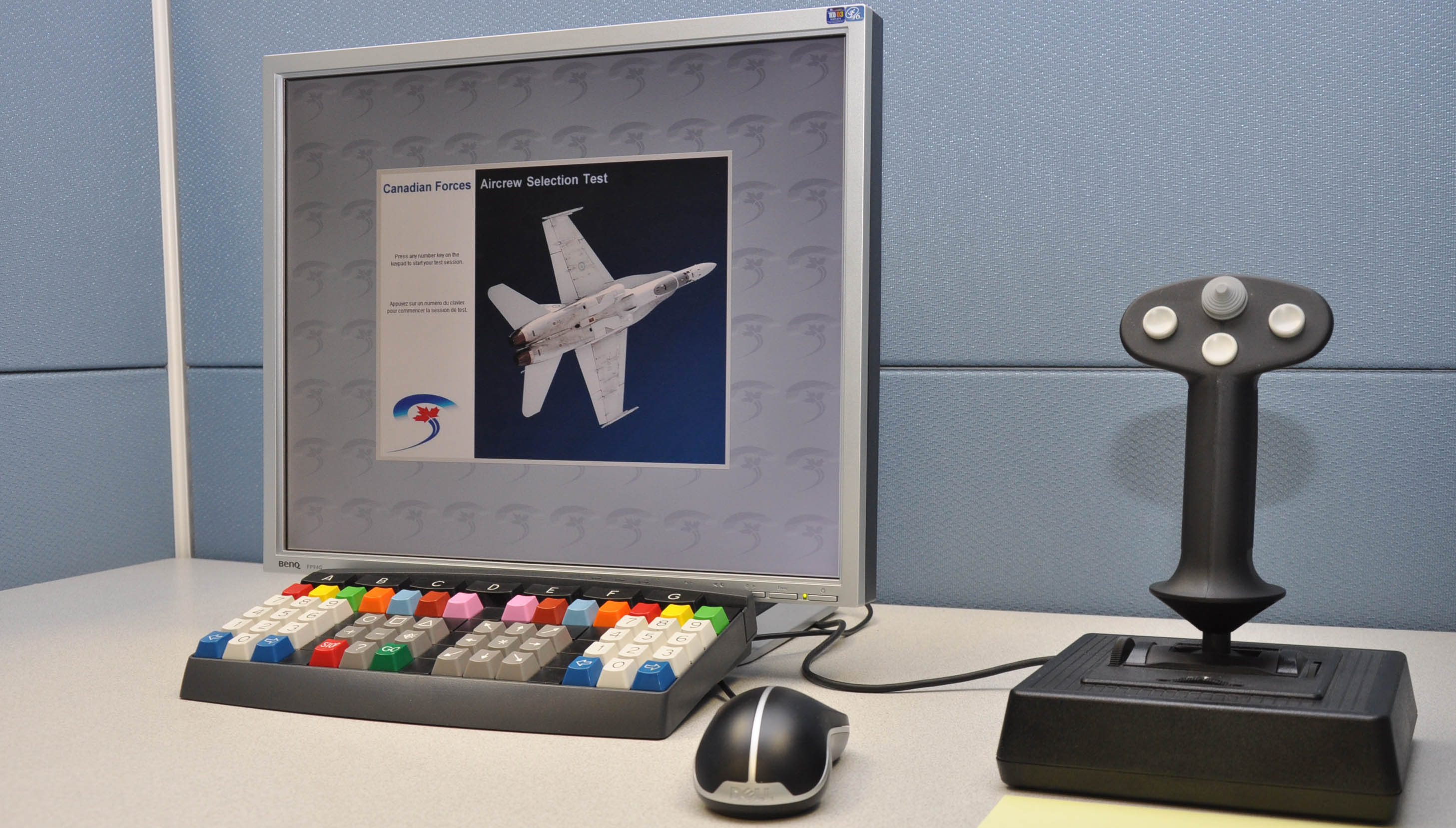
This is by far the most difficult aspect of your application process. Good job on making it this far, but it means nothing if you do not make it past this grueling portion. With a fail rate of 60-70% you will want to make sure that you study your A$$ off and practice as much as you can before you go. It’s a make it or break it scenario. Fortunately, I am a very serious individual when it comes to these kinds of tests. So, I actually began preparing 5 months ahead of time and it seemed to have done the trick for me!
To make this more interesting, I will tell you more about my personal experience:
I remember being at work, working away when all of a sudden, I got an email with a ticket saying I was going to TO. No call or preceding email saying I was selected to go. I was so excited I couldn’t think straight anymore. I only had about a week before I was heading out. Luckily, I had been in touch with my CFRC and was told about when the upcoming courses would be and which I would likely be on, so I had taken the time off work already.
My travels to Toronto were exciting. I had never been to eastern Canada, and getting to just experience it would be very exciting. But, that being said, I got very serious for the last week and studied as much as I could. I looked at every practice exam and site I could find (which I will list below) and looked over the joining instructions about 743.5 times. I was ready, but I felt nervous nonetheless. I knew that this was the last big hurdle I had to overcome before finally being accepted into the CF (btw, this is now November the following year of when I had began my application).
I traveled alone, even though I knew a couple of other people would be on the same flight as me on the way to TO. After a long day of flying, taking the bus, and getting picked up at a shady looking corner store, (which the bus dropped me off at), we had arrived at CFB Trenton.
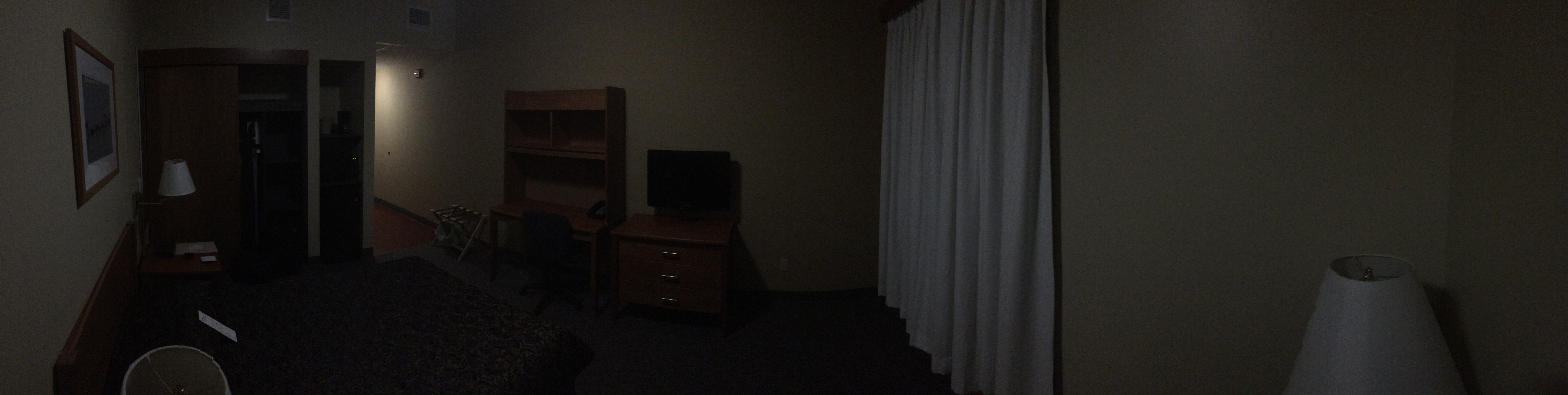
The room you stay in is basically like a hotel room. You have a TV, you have your bed, a coffe maker, fridge, your own bathroom. What you don’t have is WIFI. There is a wired connection, so if you plan to have internet make sure you bring your ethernet cable for the lappytoppy! And, oh yah, cell reception isn’t very strong in the building itself.
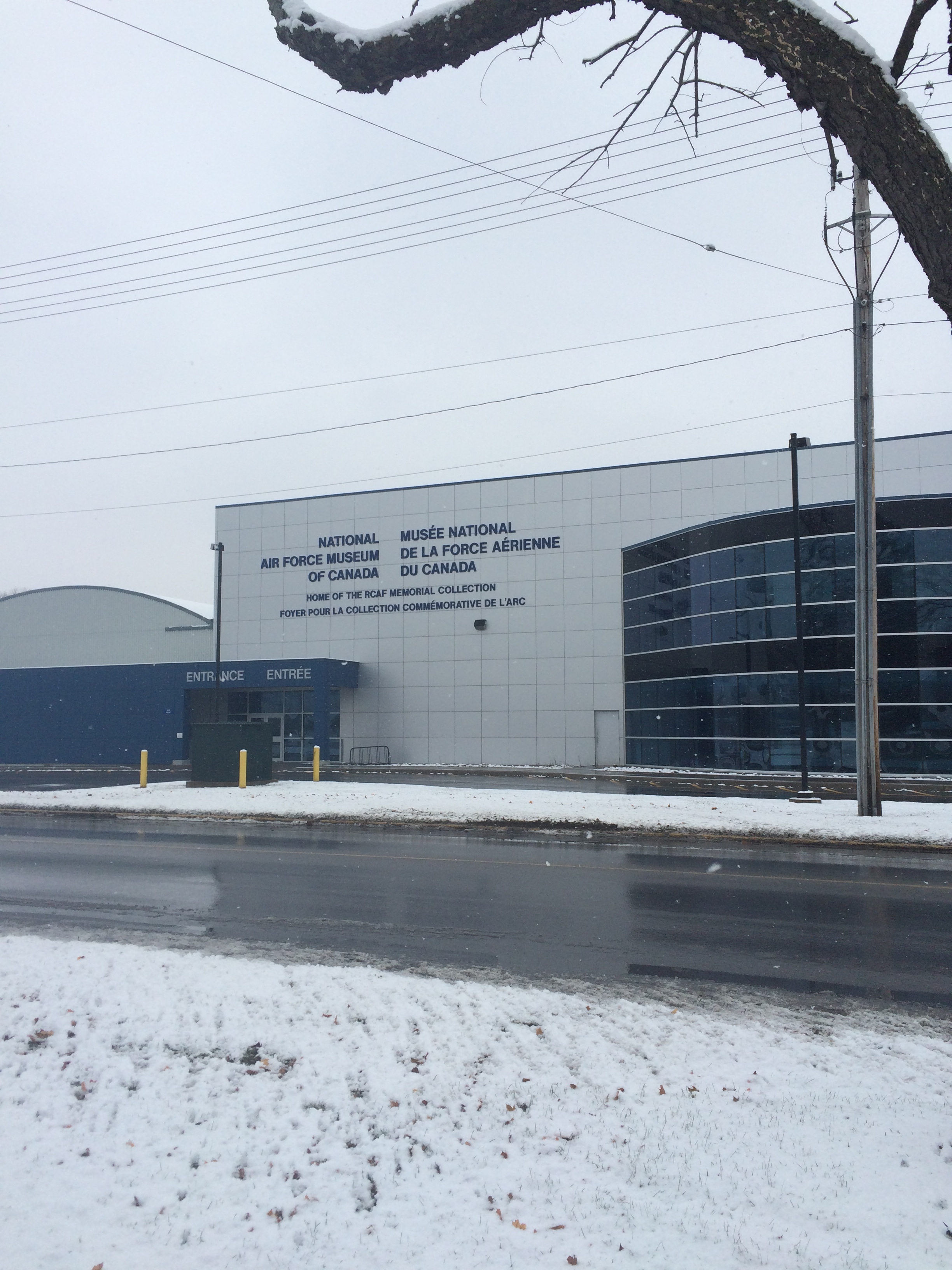
So, I arrived here on Saturday night, the Sunday is yours to do whatever. Because for me the time here was three hours ahead of normal, I decided to get up early anyway and try to acclimatize myself to the new timezone so I wouldn’t be so tired the next day during testing. Fun things to do on this day include a tour of the base, and walking off base to the National Air Force Museum of Canada, checking out the Canex, and of course, grabbing a cup of Tim Horton’s coffee! If you ever run into me, I like my coffee 2 Sugar, 1 Cream 😉
I of course spent some time studying and going over my practice questions. The next day was going to be a big day! When I woke up that Monday morning, I was pumped and ready to kill those exams, yet still a little nervous. We had breakfast as a group and discussed how we figured the day would go. We all agreed that we’ve all done all we could at this point to prepare ourselves.
The first thing you do when you arrive at the center at 0715hrs is a few briefings and some more paperwork, as well as a brief presentation on the three trades for which this application is valid for: The Air Combat Systems Officer, Aerospace control, and of course Pilot.
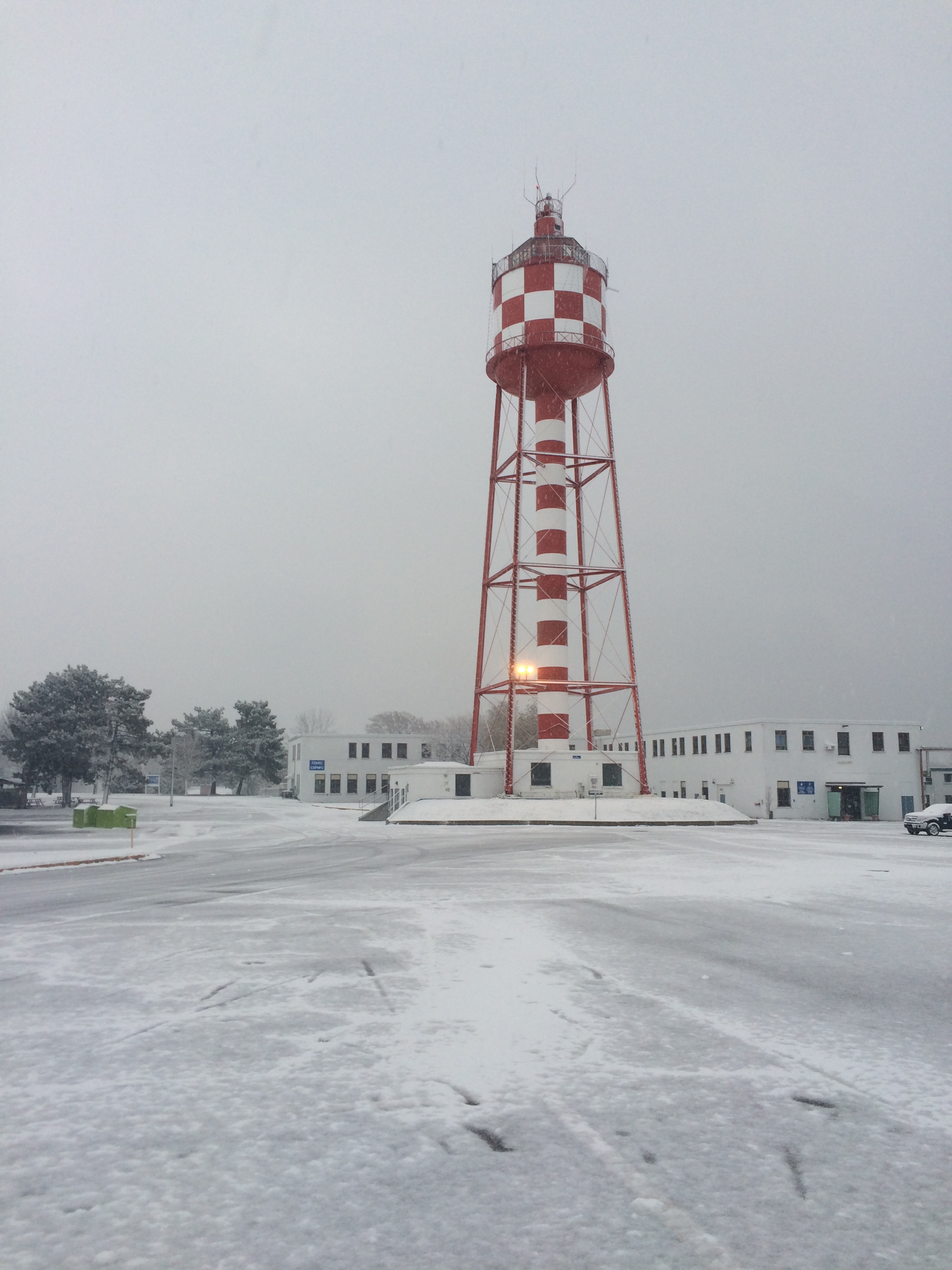
After all of this, you begin the testing. The first day consisted of, I believe, 11 tests, in which you had roughly 3.5 hours to complete and you only had three scheduled 10 minute breaks in between. Of course, most of the questions you do are timed anyways. And you REALLY feel the time constraints here. I remember being very mentally exhausted after the day, and slightly dehydrated. After the tests, you go on a slight tour of the base (for us, not much was going on due to terrible weather, so we went to the control tower quickly and got to check that out). Afterwards, I was so exhausted, I went and took a nap until dinner time.
The next day, started off basically the same, I did a few last minute math questions, got the mind working, had breakfast and off to do 9 tests, with 2 breaks in 3 hours this day. I remember not finding the tests quite as difficult and managed the day just fine. Not everyone finishes at the exact same time, but as soon as you are done, the results are ready. You leave the room wait for about 5 minutes until you’re called up for a debrief. These 5 minutes seemed extraordinarily long to me. I was sweating, I was nervous, I thought over my potential mistakes on the exam… and whether or not I’d made the cut. Finally, the wait was over, I was called and was about to find out if I had the right stuff.
The Captain began the conversation by mentioning that I had a degree in Business and that it could be applied in various other occupations within the CF – this is where I though, great, I didn’t make the cut! However, he turned around and said “But, you don’t need to consider those because you passed the threshold for all three trades” Hurrrayyyy!!! I was beyond excited and relieved. You wouldn’t have been able to swipe the smile off my face even if you smacked me square on the side of my head.
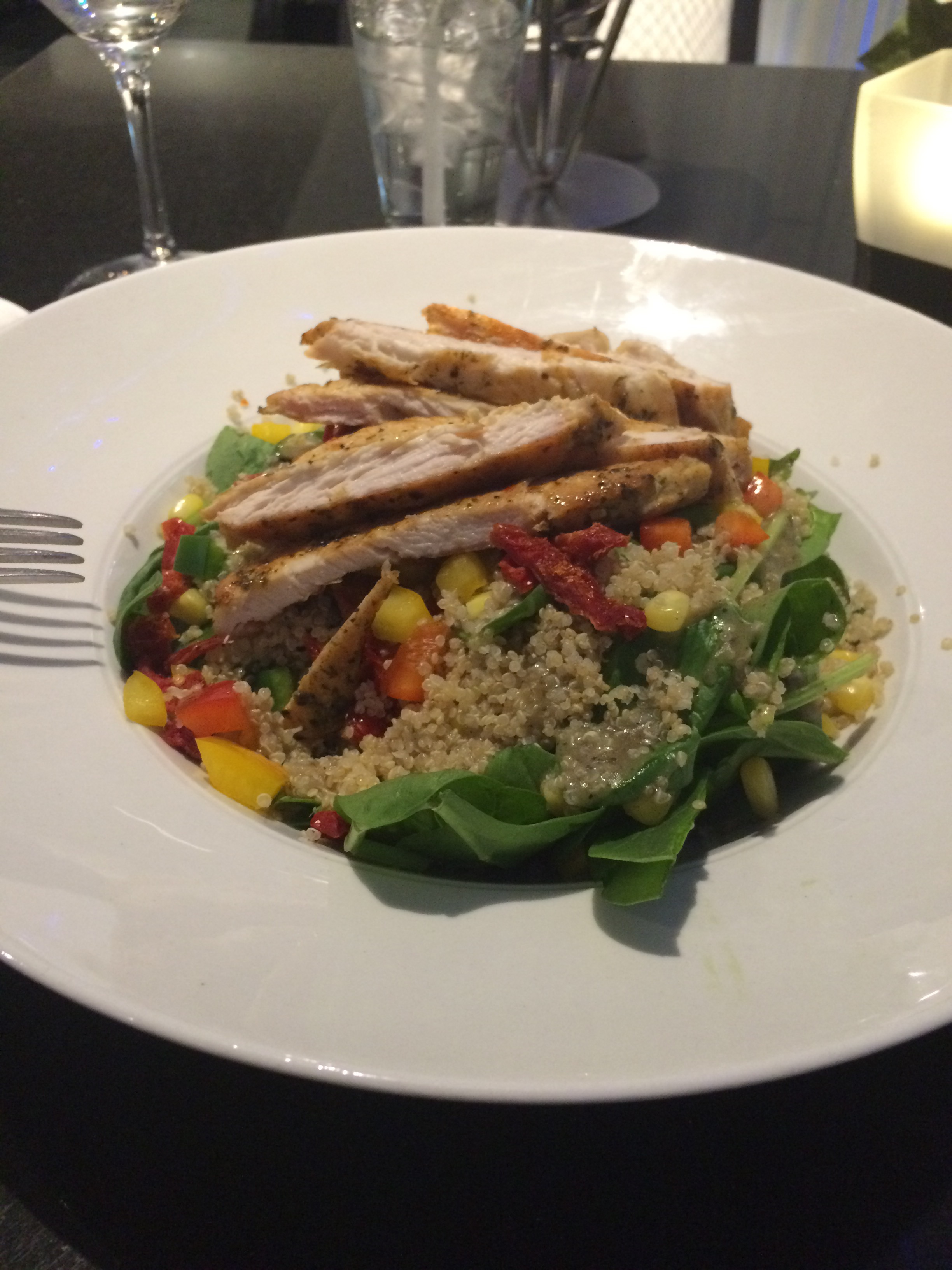
That night, you get to stay at the Novotel hotel in Toronto before you go to the Defence Research and Development Center the following day. I remember taking advantage of the large dinner re-imburesement the CF gives you and ordered a big $43 dinner at the Trio restaurant found downstairs at the hotel. I highly recommend it, the meal was fantastic!
After an additional briefing of how I’d get to Toronto for the medical portions, I had lunch, checked out of the room and took a cab to the Train station. This was it, I had done well enough on everything I truly had control over. I was very happy and extremely relieved at this point. To strengthen the point of the fail rate on this course, however, I was 1 of 2 people who passed for the Pilot trade, out of 8 of us. So, the stats are pretty accurate…
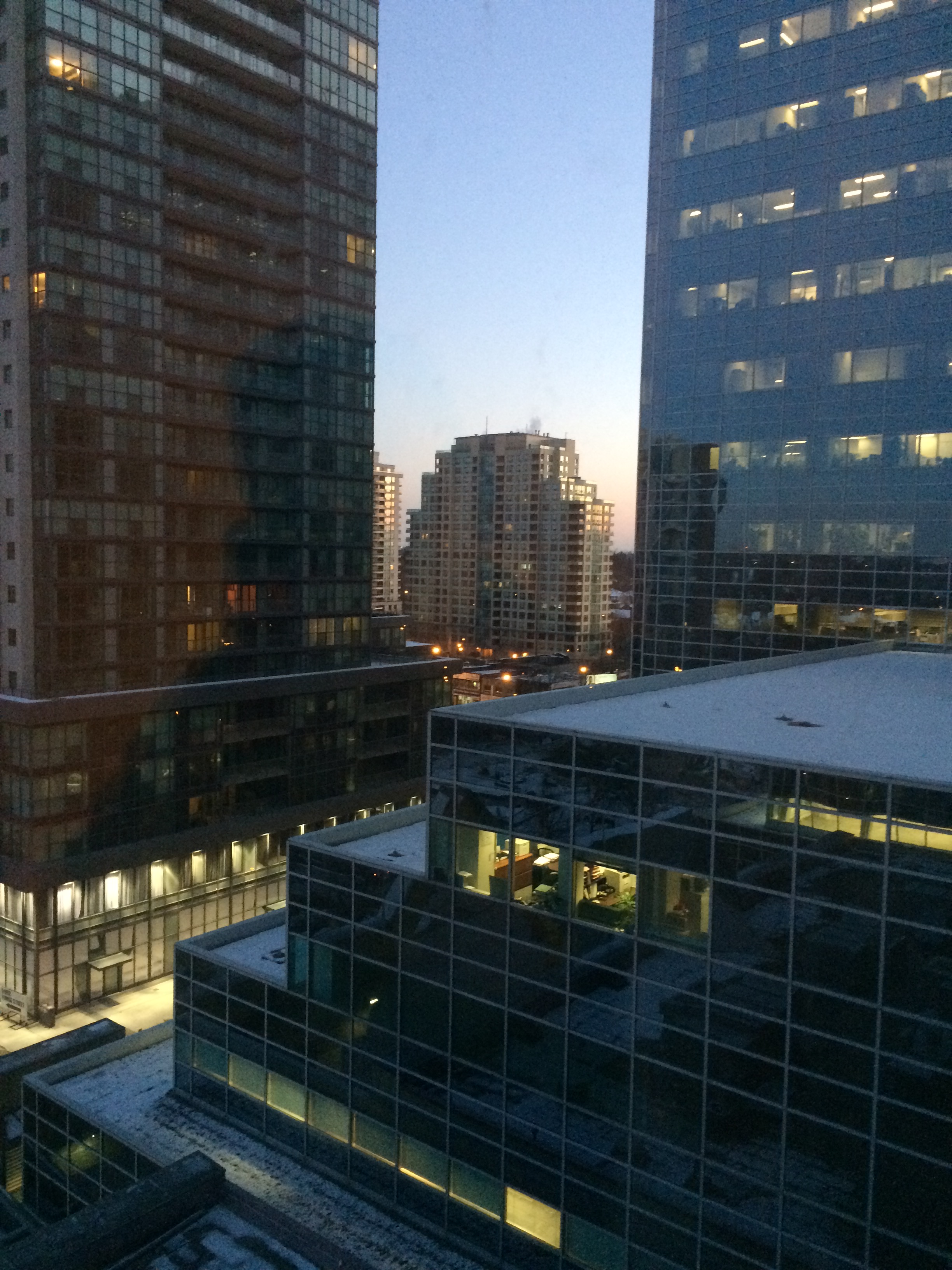
The following day consisted of 4 hours of medical testing. It seemed very exhausting as well. The tests conducted included another round of blood work, hearing tests, EXTENSIVE vision tests, ECG’s, Heart ultrasound test, Lung tests, and a quick visit with the flight surgeon. After the day was done, I was so relieved, I was finally done the ENTIRE application process. I have done all I could, studied, practiced and prepared as much as possible. Everything came down to the last medical results and I would soon find out whether I got accepted or not!
HOW TO PREPARE FOR CFASC:
Now, I have mentioned a few times that I spent a lot of time studying, and practicing and even preparing for months ahead of time. By now you are likely wondering what I used to prepare. I would say there were three primary methods I used to prepare myself as best as I could:
- I looked over the joining instructions and Candidate Guides months ahead of time and tried to understand what the tasks involved and how to prepare for them. You can find the Candidate Guide and instructions HERE.
- I practiced Lumosity questions as much as possible (daily). This probably helped me the most. It increased my cognitive abilities in all areas applicable to these tests. You can sign up for it for FREE HERE. I also have a SPECIAL trick for you to get more out of this!! I found that I could actually play up to 9 games per day, even though it says you only get three. This is done by playing the three games on the computer, then downloading it onto a phone, and playing those three games, then also downloading the app onto a tablet and playing three MORE games! In my case, I had my laptop, iphone, and android tablet. I religiously played these for weeks ahead of time, probably only took roughly 20 minutes out of my day to do all three rounds.
- Lastly, you will want to make sure you get good at your arithmetic and Speed/ Distance/ Time calculations. I found a great website designed for RAF pilot candidates with lots of free practice questions. I HIGHLY recommend going over these questions. You can find the website HERE.
**This page has been updated in Jan 2025 for updated links to new webpages and to reflect some newer processes.


I would just like to tell you how much I appreciate you making this blog and sharing your experiences, after reading all of it I know for sure where I want to go in the aviation world. Thank you!
LikeLiked by 1 person
Congratulations on making it through the whole process!
Just wondering when you attended aircrew selection.
When you were there, did you get a pencil & paper to do the speed/distance/time questions? Or should an applicant be able to answer all the questions on speeddistancetime.info in their head?
Thank you! I’ll buy you a coffee if I ever meet you!
LikeLike
Hi there,
To be quite honest, I cannot completely remember if we were allowed to have pencil and paper for that part of the examination, but I am pretty certain that for these calculations, they had to be done in your head. I do know that for some parts you were allowed to use a pen and paper though. That being said, I highly encourage you to be able to do them in your head, even if you are allowed pencil and paper. This way you will be very well prepared!
Hope that helped and good luck
LikeLike
Hi Anthony! Thanks for all the insight and guidance, I’m sure I speak for many of us when i say we all truly appreciate it. I realize I am asking you to take one heck of a trip down memory lane with me, but I have one question. Did any of the speed/distance/time questions involve conversions between units of measurements? For example, did you ever have to convert kilometers (km) to miles for distance measurements or convert speed units such as KpH, MpH, and Knots? I’m just trying to be as prepared as possible for my upcoming aircrew selection course and I noticed the awesome link you provided for RAF candidates had all sorts of great practice questions, but none that required conversions between units of measurements.
LikeLike
Hi.
Firstly, thank you for taking the time to write this. It’s really helpful.
I have a couple of questions:
1. At the interview, are there hypothetical scenario questions (as in: suppose this is the situation, what do you do)?
2. What did you use to prepare for the psychometric portion of the aircrew selection, the tasks that involve a joystick?
Thanks.
LikeLike
Hi LV,
I am trying to think back as best as I can about the application process, and from what I can remember during the interview you may not get directly asked questions about how you would act, but I think they do try to test your ethics and ask you questions about why you would be a good fit for the trade. This is basically like a job interview. You can get an idea as to what they will ask HERE: http://www.11rca.ca/web_pdf/prep.pdf
2. Like I mentioned before, I just used lumosity. Aside from that, I believe the fact that I already have my pilots license helped tremendously…. although I have been told that playing video games could help with this? Could always use an excuse to play more video games!
Cheers!
Anthony
LikeLike
I just did this in September (passed for pilot/navigator/atc). Those of us coming from the west coast arrived two nights ahead of the testing. A couple of us roamed the base a little on our free day and met lots of people. After the first day of testing they took us on a tour of the control tower. It was lots of fun. Unlike ever other step in the recruitment process, you will get your results within minutes of finishing the test. I finished about ten minutes ahead of everyone else and walked strait from the computer into the interview. Being told that you just qualified as a potential pilot feels like winning the lottery. The three of us who passed had trouble keeping our mouths shut around the seventeen who didn’t.
Luminosity games would help. I didn’t do any prep but realize now that such games would have improved my score. I would add that there is lots of data entry, lots of typing numbers into a number pad. Anyone who has spent time as a cashier on a register with heavy buttons will have an advantage. Also, be ready to bomb the tests. These aren’t tests that anyone should ever “ace”. No matter how good you do, you will not feel like you have done well. Be ready for that feeling. Don’t become fixated on the dozens of mistakes you will make.
LikeLiked by 1 person
Hi ,
I have recently passed my CFAT and have been successfully qualified for Pilot. I was wondering if pen/pencil and paper are allowed for calculating speed/distance/time? I have been using Luminosity as well. Thanks again for providing such in depth information.
LikeLike
Hi there, congrats on getting past the CFAT! From what I remember, the speed/dist/time calcs were done without using a pen or paper.
Cheers and good luck!
LikeLike
Hi Richard,
I did the test around the same time as you in late August. I did not pass for pilot but passed for ACSO and AEC. I think I will retake the test next year as each person gets 3 tries. I found the CLAN test very difficult. Do you remember that one being difficult?
Cheers
LikeLike
My background is actually in law. It had been almost two decades since I had done any serious math. I did calculus and stats during undergrad but that wasn’t any help. This is grade school math. I don’t mean to say that it was easy, just that this was arithmetic rather than higher-order math concepts. Einstein and newton were bad at this stuff. They would have trouble doing so much random arithmetic in their heads so quickly. I say this because some reading this might think they are “bad at math” because they failed CALC101. There is no calculus in any of the Canadian forces testing I’ve seen. Do you know what 11×13 is? Can you figure it in under 10 seconds without paper? That’s the sort of thing they want to see. I went through my multiplication tables a couple times the night before but was really winging it on the day.
LikeLike
Great advice!!
LikeLike
This was awesome, thanks so much for writing about this. I’ve found there is a lot of info and similar posts from years back but I understand they’ve changed a lot, especially with aircrew selection, in recent years so its nice to read something from someone who has done it recently.
A couple questions, you flew with cadets before you joined. Did you find this helped you on this phase? What kind of tests were there aside from the quick math kind of tests?
For myself I’m applying as a component transfer applicant from the army reserves (been in just over 3 years). Do you know of or is there anyone reading this that was in a similar situation? I’d be interested in chatting if there is anyone to talk about what your experience was.
Now that you’re done BMOQ, what’s next for you? Do you get posted out somewhere between your PFT, medical, survival, etc courses? Do you go back home between training?
Again thanks a ton, it was extremely informative and congratulations on making it this far. Good luck on what’s coming up for you, looking forward to reading about it!
LikeLike
Hey Matt, Thanks for reading!
I wouldn’t say that the previous flying helped me much in the aircrew selection process. Maybe for a few of the tests, but for the most part, it was just down to preparing beforehand by using the brain games and practicing quick math.
I have actually been through PFT and have also completed my Sea survival training course, as well as the Aeromedical Training course. I am currently on Phase 2 in Moose Jaw, eagerly awaiting to fly the Harvard II. I really should update this blog with my other experiences.
Thanks again for stopping by and good luck on the rest of your application!
LikeLike
I’m just asking out of curiosity. I have a high school diploma, college diploma in police foundations, and a university degree in psychology but I don’t have the necessary math credits from when I was in high school. So, my question is that would I still be able to apply for the RCAF pilot position without those specific high school credits?
LikeLike
If you have a university degree, then yes you can absolutely apply! Get your application in so that the long process of getting in is started. Good luck!
LikeLike
Just passed for all three trades, a lot of it is thanks to you mate. God bless
LikeLike
Thats great man! Im glad to hear the stuff I put up here helped you out a bit. Cheers!
LikeLike
Hello, First and foremost thank you for creating blog post. My question is in your opinion do I have much of a chance of getting into the CEOTP program from what you’ve heard about it (if anything). I’m 19y/o and currently taking pre-calc 12 and will be finishing calc 12 soon. other than that I think I meet the requirements except for english 12 in which my mark is a little below 65%. Other than that I have a knee that has dislocated a bunch if times but i’m working out a time to go into surgery for it. Do you think that would disqualify me? I’m already worried i’m behind the mark because i’m already 19y/o. However I was in army cadets and have what I would call an impressive resume in terms of leadership/volunteering. What would your opinion be and do you have any advice? Thanks!
LikeLike
Hi there,
I apologize for taking so long to respond. I honestly am unable to comment on your medical side of things, but do not think that it is an instant disqualifier. I would recommend getting opinions from the medical professionals during the application process for that. As for your age, and your experience level. If I were you, I would look into the Seneca program. This is one of the quickest ways to get your education and get into the flying side of things. Ask your local recruiting center about it. Essentially, it is a 2 year schooling program, where you go to basic before school, and also complete phase 1 training. After you have successfully completed those, then you attend school for a year at the Seneca college. Upon successful completion of your first year, you come to Moose Jaw and fly the Harvard for Phase II. Upon completion and selection you will ALSO complete Phase 3 Wings course prior to going back to school. This means that within2-3 years, you will be fully winged and just finishing up university (in a total of 2 years of school vs the normal 4 years). Incredible program, wish it had been available to me but I already had a degree.
Cheers and good luck with your application.
Anthony
LikeLike
Quick question: Approx. how long after completing your CFAT did you take the CFASC? I’m just wondering how much time there will be to study for the CFASC after completing all the initial required steps.
LikeLike
Hi Emily,
For me things were different back then. It took about 9 months between the CFAT and CFASC. This also included all my initial medical tests and also the initial interview. Now, I hear that you will be attending CFASC prior to most of your medical examinations. So this could mean only a couple of months between CFAT and CFASC.
Cheers,
Anthony
LikeLiked by 1 person
This is awesome thanks so much for the info , comments, and feedback.
LikeLiked by 1 person
Great blog, makes me feel like I am here already. I have been practicing my math for a month straight, I’ve been doing those speed distance and fuel questions from speeddistancetime.info. I am super excited for my air crew selection on October 30th and can’t wait to see if all this stuDYING will pay off. You should update this blog to hear a bit more about what you’ve been going through, how was basic training and stuff? anyways hope to read more new news soon
Fly safe
LikeLike
Thanks Stephan,
I do plan to update it more sometime soon. I have gone through and completed Phase II and Phase III on the harvard here in Moose Jaw and am currently flying the CT-155 Hawk jet here. How did your air crew selection go for you? I hope it went well.
Cheers,
Anthony
LikeLike
I passed all my tests! and I’m currently awaiting the final medical interview in Toronto.
The worst part has been waiting and waiting and waiting.
Hope the rest of your training goes well
Stephane
LikeLiked by 1 person
I’m getting sent to aircrew selection in a few weeks and am curious about the Fuel Calculation Test. Is it similar to the the one found on the website you listed for practice tests? If so do they allow a pencil and paper? I can do the speed/distance/time calculations in my head but dividing numbers like 290/116 in my head quickly for fuel calculation is a challenge. Thanks for your advice!
LikeLike
Hi Josh,
sorry I didn’t respond earlier. Yes the practice tests helped as well as all of the Lumosity tests that I recommended. How did things turn out for you?
Cheers.
LikeLike
Hi Anthony, congrats for your hard work and acceptance into te RCAF family and wish you all the best in your endeavor from BMOQ to the last leg of your training in either Manitoba or Saskatchewan and beyond:-) most importantly thank you for your generosity about sharing your experience to fellow RCAF inspiring pilots to be including myself!!!
Thus, within this framework of sharing with like oriented and passionate fellows, I’d like to point to some differences in the recruiting process: I actually am awaiting my Air crew selection test, after 20 months of patience:-) however I had neither an interview nor any medical test to take on my own prior to THE test, so I believe there’s a different procedure between candidates from the west and the East ( from Quebec here).
Once again congrats on your achievement and keep us posted about your ongoing and fun experience!
See you probably at some point throughout our careers!!!
Ps: how long is the training at the Canadian aviation school in Portage-la-prairie, before you head to Saskatchewan?
Thanks much!!
LikeLike
>>>> I actually am awaiting my Air crew selection test, after 20 months of patience:-) however I had neither an interview nor any medical test to take on my own prior to THE test, so I believe there’s a different procedure between candidates from the west and the East
Indeed. I’ve seen this many times and I think it is tied to funding. The west coast, because of distance, has to spend more to send someone to testing. So they make you do absolutely everything else first, in hopes of saving a few bucks. The only thing I hadn’t done was “air crew medical” which decision is taken by the RCAF rather than the recruiting center. Once you pass air crew selection thing accelerate very quickly because you are now a pawn of the air force, not the recruiting center.
Update about me: I completed BMOQ (14 weeks boot camp in quebec) and am now on a squadron as a trainee pilot awaiting training. I’m basically a staff officer doing whatever tasks need doing, but have gotten some aircraft time. I’m booked for sea survival in January, my first pilot-oriented training since BMOQ several months ago.
LikeLike
Hi Richard,
It’s very nice of you taking time to reply!! thanks for the details, it definitely make sense that they send you guys (in the West) to do couple of things on your own.
Congrats for completing your 14 weeks BMOQ!! is it as promoted on youtube or even harder? hahaha
I have one question regarding the air crew selection test, specifically the DST portion. Give that we are not allowed a pen and paper, is it a multiple choice questions?
Thanks in advance for responding, wish you a happy holiday season along with your family and loved ones and have fun during your next year’s sea survival training!!
LikeLike
Hey Armeen,
thanks for reading the blog! What you say seems to be the new way of doing the selection. It sounds like the Aircrew selection test is completed prior to the medicals, etc now. This seems to apply not just to the Eat coast but also Western Canada as well.
I should update the blog one day, and I plan to. I have progressed a bit since then and have completed the Phase III wings course on the harvard and currently fly the CT-155 Hawk Jet here in Moose Jaw.
The course in portage doesn’t take too long. Anywhere from 3-5 months, depending on what time of the year you go (summer vs winter). Phase 2 can take somewhere between 6-8 months. And the phase 3 courses depend on the airframe you are chosen for. My course on the harvard took about 3.5 months.
Good luck to you!
Anthony
LikeLike
Wow, great to read a recent perspective of this process. Everything online is really old. This may be a stupid question. But if say I didn’t get the job I wanted at the aircrew selection, do I have to still do one of the other ones? Say I qualified for air traffic control but not pilot, do I have to be ATC or can I just not join the military or what? Thanks.
LikeLike
We got a pencil and paper for the DST portion and I wrote in May, 2017. You get one sheet for all the questions so write small.
LikeLike
That being said, preparing for the test assuming we didn’t have access to a pen and paper helped a lot to get faster at doing these types of problems. And the answers are presented in multiple choice. Hope this helps!
LikeLike
Hi Mack!!
Thanks much for the prompt reply.. definitely helpful:-)
I assume you have just finished your 14 weeks BMOQ, if so congrats:-)
LikeLike
Hey man, Thank you so much for posting this, I’m sure it’s helped a lot of people. Can you let me know how old you were by the time you applied. I’m 21 and still don’t have a degree. I was hoping to either get my aerospace degree at RMC or mechanical in a civie uni, some what worried, that’d I’d be too old for what they are looking for. I’ve really messed up over the years got myself kicked out of a college and now I’m finding my feet again, I too got my licenses in cadets but I feel rather unsure of the application process. Hoping I can email you for some additional questions.
LikeLike
Hey Bryan,
I was 25 by the time I got accepted in, and was 23 when I began my application. The process takes a while. You are still young, and I know many people who were older than me when they first got in. Good luck with your endeavours!
Cheers.
LikeLike
I’m at phase one flight training now. There are guys (and girls) here between 19 and 40 years old. Age isn’t much of an issue.
LikeLiked by 1 person
Wow,
I don’t know how it works, but I did my CFAT a month ago and I am on the list for the CFASC next month.
Can wait and thanks a lot for your advices!
LikeLike
I just came back from Trenton, was there this week. Was a great experience, even for those who didn’t pass. I passed thankfully, and am now awaiting some final details. A significant part of being calm during the testing was reading this page, thanks man!. My 2c from the experience:
Follow the dress code, most of my group was 17-year-old high school kids who had never worn anything formal before – they were far under the dress standard (one actually was sent home for showing up in saggy jeans and ripped t-shirt). It would really suck to be sent home, I felt bad for the guy – all the way from the North West Territories.
We only got paper and pencil for one specific math test – which was not a Speed/Distance/Time or fuel equation. That being said, it takes more time to write down equations than it does to just figure it out in your head. You will be pressed for time.
RELAX! The more stressed you get, the worse it is. The staff at CFASC are super friendly and helpful, they genuinely want you to do well. Most of them have done that testing as well, they know what it is like. Take their advice, relax as much as possible (especially during off hours).
Bryan, up above me there – I am also 21, and do not yet have a college degree. They are on the verge of sending me to RMC, as long as I pass a few last things. Or civie uni hopefully. Give it a try man. If you want to get in this fall, you have until the 31st of January to apply for the ROTP.
LikeLiked by 1 person
Hey Bryan, sorry for the late response. But I’m 24 and I was one if the youngest of the 20 in my air crew selection. Good luck !
LikeLike
Hello – thanks for creating this space, great information. I am seriously considering joining and am awaiting ACS testing. I am wondering how many females are currently getting to Trenton or actually working as pilots in the CAF. Thanks for your time.
Jennifer
LikeLike
Hello Jennifer,
great to hear you are interested in joining as a pilot! While I do not have a specific statistic for you, there are a lot of female pilots in the military. I have met and made friends with many. You certainly wouldn’t be alone. What you should really focus on more, is your qualifications, your study habits and preparation for the application process. As long as you are dedicated and wanting to be a pilot, you will.
Good luck on your application, if you decide to join!
Cheers.
LikeLike
I’m seeing 20/20 according to my optometrist, but my eyesight still feels incredibly mediocre. Will this put my at a disadvantage compared to other candidates with better eyesight?
LikeLike
No. Everything is all pass-fail, including the medical. Differences between candidates don’t make a difference during selection. The truth is that nearly every pilot will require glasses or something to correct their vision eventually. You aren’t going to be passed over because some kid has better eyes.
LikeLike
Just passed ASC this week. Appreciated you posting your experience. Cheers!
LikeLike
Hi Matt,
that is fantastic, I am super happy to hear that this space was able to help you out a bit! Good luck moving forward!
Cheers,
Anthony
LikeLike
Hey Matt, I’m going in April 2018 – any suggestions on prep? I’ve been doing weeks of classic training on Luminosity, but seems like it’s not enough? Thoughts on math practice for ACS? Congrats on making it through!
LikeLike
Hey, not sure if you already took the course yet but in addition to the preparation recommended in here I also used an app on android called Math Workout. It has a simple algebra test with time constraints that really helped me with quick mental math under pressure.
One more piece of advice to anyone who is reading this: it’s easy to get into a zombie mode when you’re stuck in front of that computer for 4 hours. It seems silly but periodically remind yourself to give 1000% effort at all times!
LikeLike
Jennifer I used the link he posted with the speed distance time questions. I did hundreds of them and it really helped. Try timing yourself and not using a calculator to simulate the actual test!
LikeLike
Hi Anthony
Thank you for such an informative blog. My 17 year old son wants to be a Pilot in the forces. He is looking at RMC or Seneca. Currently he is a student pilot and approx. one month from his private pilot flight exam. My worry for him is if he joins the military but does not get accepted as a pilot will he be required to take whatever they give him and remain in the military? It seems to me that he has to actually join and then apply to RMC after the fact. Any advice for a young guy would be appreciated. Also do you have any insight into the medical portion as far as medical history? He was on a mild anti-depressant in the past but is fine now. I honestly do not think he even needed it. Thank you for any advice you can offer. Congratulations on your success!
LikeLike
Hello Susan,
thank you for taking the time to read my blog! Great to hear that your son is interested in joining, and even better to hear that he is already involved in the aviation world.
The way the application process works, is that he will be made an offer to join a particular trade. This means that if he wants to join only as a pilot, if he gets an offer other than pilot, he is allowed to reject it and not join. The military does not hire you first, and then assign you to a trade.
The Seneca program, I would say, is the best program if you want to get through the pilot training fast. It allows you to complete a 2 year degree program and receive your military wings the fastest. One thing I have heard is that the level of education is going to be slightly degraded as it is an expedited degree. RMC will take longer, as it is 4 years, but from what I hear the level of education is better. I do not have personal experience with either, however, as I went to a civilian university.
As for your sons medical history, that is something to be discussed with the medical professionals in the military. I am unable to really provide any advice on this subject.
I hope this provided you some further insight, and please let me know if you have any further questions.
Regards,
Anthony
LikeLike
Hi! I’m wondering about how important the visual/recall tests are, particularly the ones where you get bombarded with the visual/audio and have to recall details or manipulate them after recall. Everyone seems worried about the math, but this one was the real challenge. Is it as important?
LikeLike
Hi Anthony!
Thank you for your website; I practiced a lot for months. I just came back from ACS; I didn’t get pilot (apparently I was close lol), but I got ASCO and AEC. I was wondering: is it possible for an ASCO or AEC to apply for pilot after their mandatory service? An AEC in Trenton told that it has been done before…? Moreover, are ASCO respected/important? I mean, can they hold senior ranks, or it’s mostly pilots?
Thank you once again!
Johnathan
LikeLike
There’s some great advice here. I just did the CFASC last week and passed for everything. Being able to perform basic arithmetic quickly is extremely important, and I think that playing Lumosity games every day is worthwhile as well.
A few other points for once you are actually in Trenton which may have been made already but which are worth making again:
-Sleep. The tests are demanding and it’d be awfully dreary if you messed them up just because you were tired.
-The food is free for people on Aircrew Selection, so take advantage of it. Similar logic to the point about sleeping. Food is fuel, and your brain will require a fair amount of fuel to make it through the tests.
-Be sure to stay hydrated, in particular if you’re going to be there during the summer. Trenton can get pretty hot, and while the testing room and most of the buildings you’ll be in are air conditioned, there’s really no substitute for water.
-Always remember that the tests are not meant to be easy. It’s entirely possible that you’ll finish the first day and feel like your scores are laughable. It’s a bit cliché, but remind yourself constantly that it’s not over until it’s over. There is some redundancy in terms of what the tests are actually measuring, so even if you do poorly on one particular test, you will likely still have a chance to redeem yourself.
LikeLike
Hi Anthony,
Thanks for all the great info, it’s been really helpful. I’m 16 and earned my glider wings with the air cadet program this past summer and plan on earning my PPL with the cadets next year. I’m a good student and plan on applying for the CF Seneca Program; flying with the military has always been my dream. I was wondering if you had any idea of the pilot vision requirements? I’ve contacted half a dozen recruiters and none have been able to give me up to date information, I’m particularly wondering if pilots who wear glasses are restricted to certain air frames? Feel free to shoot me an email.
Thanks so much,
Michael.
LikeLike
After you passed the aircrew selection test, how long was it before you were sent to Basic training?
LikeLike
Hey! Thanks for the great information and advice. I’ve been using your link to the speed/distance/time calculations site for about a month now and unfortunately it has gone down all of a sudden. Would you happen to have any other resources or links to websites that are as helpful as the last? Anything would be appreciated! Cheers.
LikeLike
Thank you very much for your blog… I’m 16 and I want to be a pilot in RCAF. I applied ROTP and I passed ACS for pilot. I’m so happy of it ( 2/12 pass rate). I think that your blog helped me to go trough it and I want to thank you for this. we may fly togheter one day.
Jonathan Côté.
LikeLike
Hello, that was really nice to find this webpage! Thank you all for your input!
I did my CFAT, Interview and Medical on Monday, 8 months after I applied. I did everything the same day as I live in a remote place and had to be sent to Vancouver to do the testing in french.
I’ve only applied for ACSO since applicants who had eye surgery can’t apply to be a pilot, according to CF website (my case). However the medical technician who did my medical told me otherwise. Because now I have great vision and I’m definitively sure that I’ve nailed the CFAT verbal test and problem solving test (close to 100%, if not 100% – maybe only 4-5 mistakes in the spatial test), do you think I should call the recruiting center and ask them to add the pilot trade? Or they will offer me that choice anyways if I perform well in Trenton? That said the pilot trade is officially closed now, but I always have doubt when recruiters tells me about what’s closed and what’s open…! Any thoughts? Thanks!
LikeLike
Hi Anthony,
Thanks for taking the time to share you experiences with everyone, it really helps us new applicants.
I had a few questions I wanted to ask:
1. Do you know if the scores from the Air Crew Selection testing in Trenton impact your ranking on the competition list?
2. After being placed on the competition list, how long did you have to wait for an offer of enrollment? Did the recruiters let you know which rank you were on the competition list or how good a chance you had to make it in?
Thanks
LikeLike
Also, how well did you do on your CFAT to make it in?
LikeLike
Hey Anthony,
Firstly well done and congratulations on getting through the whole process so smoothly!
I was wondering if you remember the time between you being loaded on your BMOQ serial and you completing your testing at air crew selection in Trenton?
LikeLike
Hi Anthony,
This post has definitely brought some certainty and reassurance to the insidious Aircrew Selection Course.
I have a lot of questions and am beyond desperate to make it past this stage.
I wonder where you’re at, what you’re occupied with, and whether you’ll even have time to look at the 6 items (of questions/points that can be addressed) I have below.
1) For individuals who took the Aircrew Selection test and failed, did they have the option to still get other jobs within in the RCAF within a month after the Aircrew Selection Course?
2) Do you know of anybody that has took one trade in the military such as a Boatswain and took the the test again for the 2nd time and qualified as a pilot?
3) Do you know of anyone who qualified as a pilot and later pursued a path to become a pilot physician or a flight surgeon? (aka the route of 500k medical school debt; competitve marks/MCAT, research grants, and list of TAing/school presidency with cadets and SGS 2-33A/Cesna 172 comparisons; and very demanding lifestyle that does not give much leeway for a social life in your 20s/30s)
4) Is there encouragement to accept Filipino-Canadian pilots? On one hand, there’s the unfortunate history of how some recruited Asian-Canadians were treated poorly in the Canadian Air Force back in WWI. But now that it’s a different time, do you see any changes amongst candidate diversity with visible minority?
5) In the news, there’s the article that the Canadian military is looking for 275 more pilots and I’m not sure how that would impact the recruitment process of pilots from now till 2022: https://globalnews.ca/news/4462964/royal-canadian-air-force-down-pilots/
At 22 y/o, I already sent my 3 dates for aircrew selection this March 2019 and am practicing mental arithmetic, 9+-digit memorization, and lumosity like my life depends on it.
I’m desperate I additional for fun am:
-playing videos at 3.2x speed,
-playing my piano/guitar,
-remembering stuff on survival from a Survival Instructor Course at Borden
-driving the car when possible because flying is expen$ive
-for fun am reading on every drug, symptoms, and factoid of my Space Physiology and Aviation & Human Factors courses in uni.
-for fun am reading on jammers and quantum key distribution of green photons in military vehicles
-being mentally ok with having no more volunteer/leadership experiences for months since being awarded as the best president of my university and TAing a first year course for 3 years
-as a kid had an air cadet background of top senior air cadet award and etc…
6) I’m not ultimately sure if my leadership volunteer exp is recent or relevant enough for the interview. Most of all right now, I’m trying to make enough money to pay off student debt, pay rent, and go to the gym (3 lifting days and 2 aerobic = 5 workout days).
Planning to call back in the week of January 15 just to check in about whether one of my 3 dates is being processed.
Trying soo hard to get out of this limbo between being done university and finding a job so I’m not stuck in fast food for the rest of my life.
Ultimately, I know it’s rare to not be in the 60-70% that fail and if I don’t make it. I’ll have to be okay with any position in the military that may not require a university degree. I’d prefer that with it’s benefits over being in fast food with angry customers any day.
If possible, I look forward to hearing from you Anthony.
Best,
LikeLike
Hello Matt,
I am doing the test at the end of this month. I have been practising time/speed/distance calculations and have been brushing up on my basic math (notably fractions). I have also been playing luminosity daily. I am concerned with the questions involving reading instruments as I do not have a background in aviation. Do you have any advice for that area?
LikeLike
What is a good score on the ASC testing? My son just tested and passed for ASCO and scored 788 (above minimum). is this good for merit listing?
LikeLike
Hi..thanks a lot for sharing all these valuable info.My question is ,will anyone with a degree and 19 years of age who applies gets invited to take the aircrew selection test?Is there any criteria they are looking for in your resume/application before you could go for aircrew selection test apart from the aptitude test.
Thanks
LikeLike
Hello Anthony,
Thank you for your blog and the valuable insights into the process. Just returned from Trenton myself after successfully passing for the pilot. Your advice to go heavy on Lumosity was spot on. There were a lot of questions involving short term memory and spatial awareness, A LOT. I guess that and hand-eye-foot coordination are the most heavily weighted parts of the test. Lumosity and driving standard got me through with good scores:)
Staff goes into a lot of details about the life I all three trades, however no one was able to give clear answers about family situation. They say you start at base 2nd Lieutenant pay as soon as you start your contract and make your way up to Captaincies by the time you get your wings, but what about seeing your family after BMOQ? I have a wife and we want to have kids as we are both 28. But the pilot training ca go on for as log as 4 years they said. Is it 4 years away from family? Recruiters say yes, the best that the officers in Trenton could say is “it depends”.
Can you provide some accounts of your personal experience after BMOQ? Once that was done, how soon till you started your Phase 1, were there any married folk there? Were their spouses with them? Could they rent and live off-base together or on base together? Were there any leaves? Surprisingly this info is very hard to come by. I would appreciate your input, thank you again.
Feel free to reach out via email or FB as well.
Stephan
LikeLike
Hi Stpehan,
sorry for my super delayed repsonse. I am posting this response for others who may have the same question. I am guessing by now, you would have completed BMOQ and began pilot training.
After BMOQ, you will be posted somewhere for OJT (on the job training). During Basic you would have been asked of your preferences for your posting location. Hopefully you get your first choice! There are several different posting types (restricted, prohibited, etc). Most likely if you have a wife, they will allow you to be posted back to your home so you can be with her. Any postings thereafter, she will be entitled to be posted and moved with you.
As for flight training, Phase 1 is going to be a shorter course so it is what we call a temporary (TD) posting. Meaning that only you will be posted to Portage to conduct flight training; your wife will not be posted with you for this. Upon completion of phase 1, you will go back home to her. Phase 2 is generally a full posting to Moose Jaw so she will come with you. Depending on your selection from there (Multi, Helo, or Jet) your path will differ, but in the end you will be posted with your wife. You just may have to do some training away from her for a little while. Overall, pilot training to Wings standard can take 3 years and about 5 years+ to be fully trained. The Jet route will take longest for this.
As for myself, I began Phase 1 about 7 months after I was out of BMOQ. During this time I was posted to my first choice in Victoria, BC. We had married guys and gals on my courses, and no spouses won’t be with you on Phase 1. Generally leave is also not granted while on course because you are supposed to be in the books and ready to go. Spouses have and could visit while you are on course though. I was posted to Moose Jaw 1 month after my phase 1 course, so it was a quick turnaround but ended up waiting there a while to start Phase 2.
I would like to hear from you, and where you are at now! I hope things are going well.
Cheers,
Anthony
LikeLike
Thank you for the detailed explanation Anthony.
I wish you have guessed right, but sadly that is not the case. After Trenton I was invited to medical assessment in my recruiting centre in Halifax and provided a few forms for ECG, bloodwork and visual. I understand that used to be done in Toronto in the Airforce medical centre and is now outsourced to applicants themselves. After submitting the forms back I am yet to hear back.
I read on forces website that the new applications are put on hold due to Covid-19 but couldn’t find anything concrete about in-process applications. So I am guessing that I will get to BMOQ sometime end of this year.
In your response you didn’t touch upon second language training. I understand that after BMOQ the next step is a mandatory French language training. I was told by the recruiter that it takes place in St. Jean as well. Can you comment on your experience with that?
Or is that what you were doing in Victoria?
LikeLike
Hi :).
I just want to say a very big thank you for making this blog post. I used the helpful information in here throughout my whole application process to become a pilot at RMC, and I must say, it was a really big help. If it wasn’t for you making this blog, I honestly wouldn’t be too sure if I would have passed the aptitude test, the interview, or the aircrew selections.
I owe it to you for helping me get through and pass all three :). Again, I can’t thank you enough.
Cheers.
LikeLiked by 1 person
Congratulations and best of luck! I am glad you were able to find some of this information useful!
Cheers,
Anthony
LikeLike
Richard, thanks for writing this blog! I wrote my journey as well at “makingapilotinthercaf” in wordpress. Just wondering where you’re at now with Pilot training? Cheers.
LikeLike
This is really nice to hear. I am looking at
LikeLiked by 1 person
Hey Anthony,
Great post, and congrats on all your success. Just a couple quick questions for you. Is there an age limit to applying for ACS? I heard sometime people in Phase I are as old as 40? Also, are you now training on the F/A-18 Hornet after you finished on the hawk?
LikeLike
Hi Anthony,
This was a great read! Could you go into some more detail about your background prior to applying? You mentioned that you had a degree in business? One of the hurdles that kept me from applying is that I am in my mid 20s, with a bachelors of Commerce and found it hard to find any parallels to how that would be related in getting into a pilot spot and why the CF would take a commerce graduate versus someone in engineering. Would love your insight.
LikeLike
Hey guys. Jut wondering. I have great grades in High school especially for physics and Math. However my university grades on the other hand are extremely poor. Just curious as to how much weight they put on university grades during selection ?
Would appreciate any response from someone whose been through the process.
Thanks!!
LikeLike
Really appreciate this blog post, with the lack of easily accessible information about the exact process and contents of the path to getting your military wings it’s a breath of fresh air to have a specific and helpful post. This question isn’t exactly addressed to Anthony, because he attended Seneca, but is anyone aware of when RMC attendees do CFASC?
I’m already improving my math to begin with but I don’t know if I have to only pass the CFAT to get my application to RMC tendered or if I have to pass the ASC as well?
LikeLike
Hi Anthony,
Just curious where and what are you flying now?
LikeLike
Thank you for this great information. It’s really nice to read some more personal information, rather than what is on the forces website.
For my personal situation; I am currently in my third year studying at a civilian university, once I have obtained my degree, I plan on joining the forces with the dream of becoming a pilot. My question to you is when do you think would be a good time to apply? I have another year and a half left until I graduate from university, so should I wait until I am closer to graduating? or would it be best to apply now?
Thanks you! Again, I am very grateful for this website, and hope your career is going well!
LikeLike
Hi Brian,
I would absolutely suggest you apply right away if you want to join as soon as you’re done school. The application process takes upward of 1 year and can take even longer. The only thing I am not sure about is whether you need to provide your degree when you apply or if you can supplement your application later when you are done the degree. For this I recommend you reach out to your local recruiting office and ask them. All the best!
LikeLike
Thanks Anthony for the very quick response!
Another question I had that I forgot to include in my first post was; do you think previous flying experience will help when it comes to the aircrew selection test, and the application process in general? I’m currently 20 and have saved up enough money to afford my PPL if I wished to get it. However it is expensive, and I want to know if it is worth the investment. I currently have no hands on aviation experience, so I feel like that may come to bite me in the application and testing process. Thanks!
LikeLike
Hey Brian,
At this point it might not be financially worth it for you to get your private license. You could instead do a few flights for fun and learn about what it’s like flying a plane.
I know many people who had no previous flying experience and have done very well in the Air Force. The aircrew selection test is less about your hands and feet and more about situational awareness, spatial orientation and decision making testing.
Not having a PPL will absolutely not slim your chances of getting selected and being successful. Hope that helps.
All the best,
Anthont
LikeLike
If I remember correctly, the hardest was four digits total, either 1*3 digit numbers or 2*2 digit numbers. The kicker isn’t the difficulty of the math, it’s the speed you need to do it at. I studied with like 6th grade multiplication problems off of a random worksheet generator built for teachers I found on the internet and tried to do those worksheets as fast as I could. It turned out that that helped immensely. Mental math is a skill you need to practice.
LikeLike
Hi Noah,
excellent point! I totally agree that the speed at which you need to solve the problems is the most difficult part. Thanks for you input! Are you successfully in the RCAF now?
Cheers,
Anthony
LikeLike
Thanks Anthony this information is truly priceless.
Not to keep bothering you with questions, but what type of grades do the forces want from your university? My grades right now are good, but not great (high 70s to mid 80s). Also, in your personal experience, how long after applying did you have to write the CFAT? I don’t want to apply, and then immediately have to write the CFAT, I would much rather have some time to study up beforehand. Thanks! I look forward to reading more blog posts about your journey.
LikeLike
As far as I know, you just need to have a degree. Your grades don’t matter – just how well you do on their application and tests. I think I did my CFAT a couple of months after the application. My Aircrew Selection course was a good 10 months or so later. The whole application process definitely takes a while.
Cheers.
LikeLike
got my Aircrew Selection soon. thanks for the tips
LikeLike
That’s great! Best of luck to you! Let me know how it goes!
LikeLike
All this information is extremely helpful. I am curious though about the decision about what airframe to fly. Do you or the CF decide?
LikeLike
Hi Glenn,
You will need to realize the military will dictate much of your life while you serve. So with that in mind, forces needs always come first. That being said, on phase 2 you will be asked what stream you would like to go into (fast jet, multi or helo). Depending on your performance on course and the availability in each stream, will decide which way you go. After that on phase 3 multi and helo you will be asked what community you want to join (specific platform and even posting location) they will take that into consideration but at the end of the day they will send you where needed. If a posting that matches exactly your choice comes available you may just get that sometimes too though!
Fast jets you will either end up in Cold Lake or in Bagotville. I hope this info helps you!
Cheers,
Anthony
LikeLike